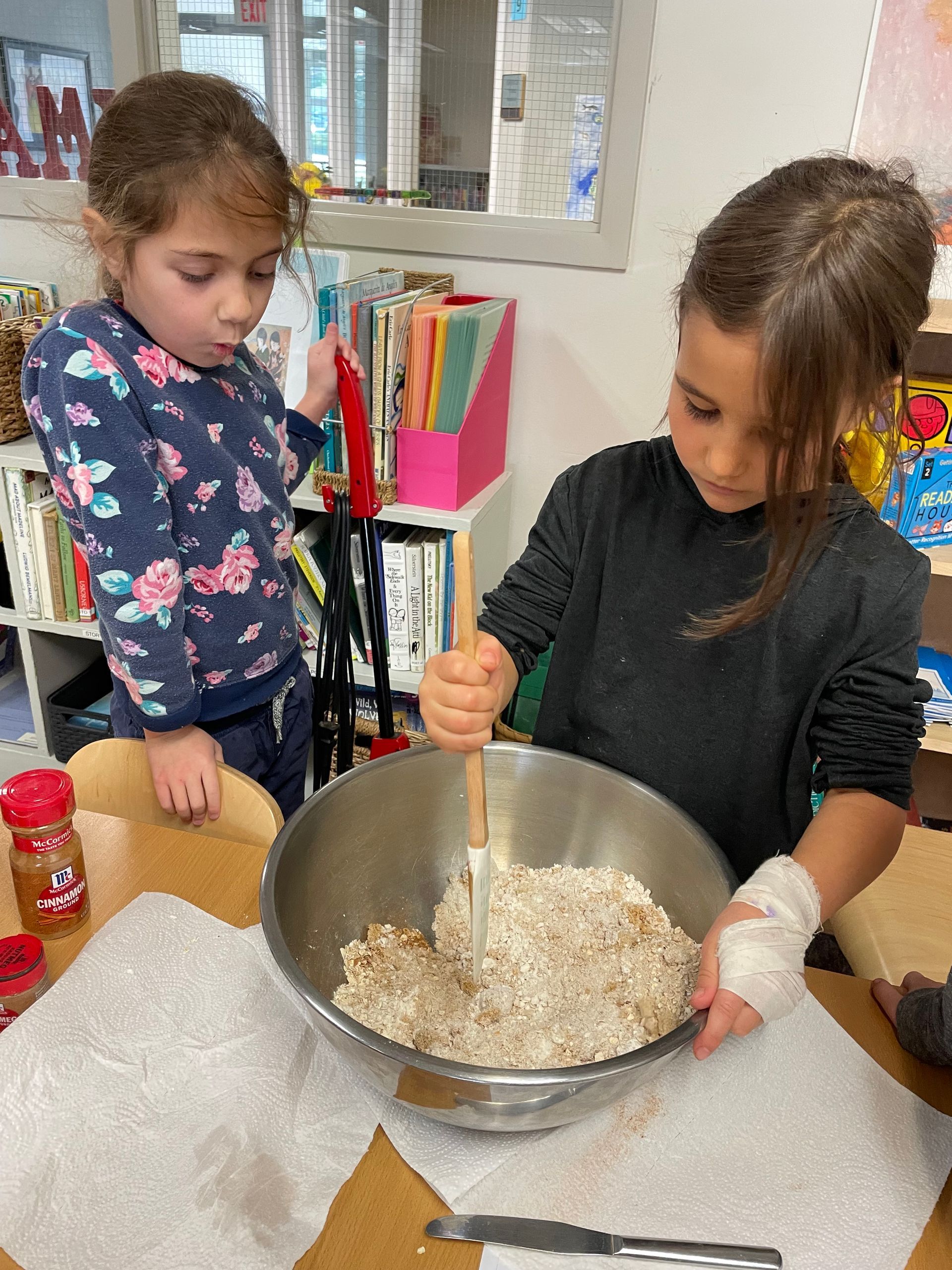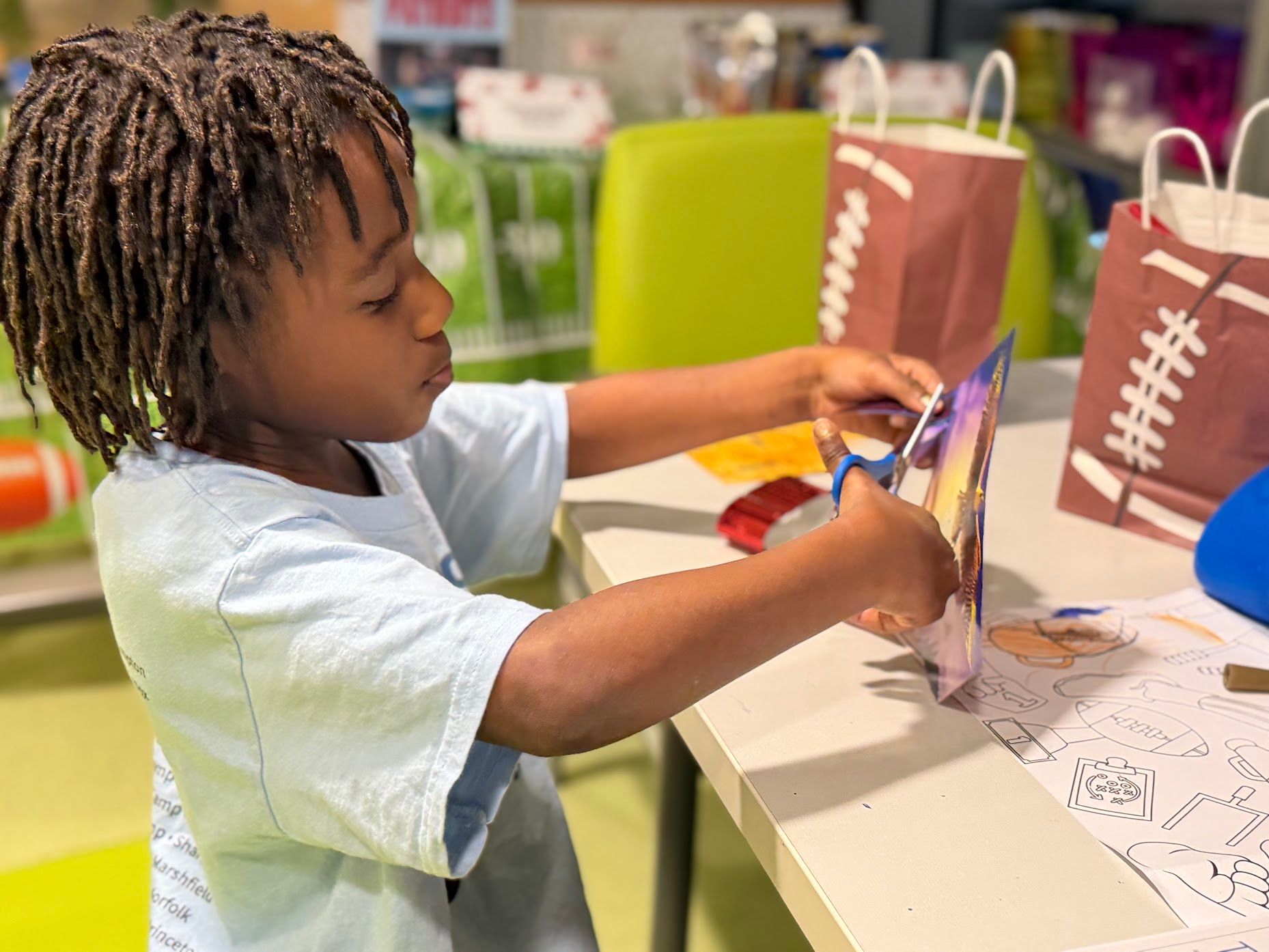
One of the top questions parents ask us during admissions tours at The T.E.C. Schools is: How do your teachers deal with children avoiding work they don’t want to do?
This is a deeply thoughtful and important concern. It becomes even more prominent as children grow and transition from our early childhood environments into elementary and middle school studies. Most families know that Montessori education centers on student choice, and it can be hard to envision how freedom works alongside genuine accountability.
The wonderful news is that this balance is something we prioritize every day. Our approach is built on the understanding that we must help children cultivate strong work habits and internal motivation, rather than relying on external rewards or punishments. Building true self-discipline takes time, but our guides (teachers) are dedicated to walking alongside every child as they navigate this journey.
The Power of Choice
Having genuine choice is one of the most effective tools we have to combat work avoidance. When children—or people of any age—are empowered to make decisions about their day, it builds trust and ownership. Knowing that adults trust them to make good choices is often the exact motivation a child needs.
In our classrooms across all levels—from Children's House through Middle School—we offer autonomy within structured boundaries:
- Work Sequence: Students choose the order of their work during the uninterrupted work cycle. One child might prefer starting their morning with hands-on math materials, while another feels most focused starting with creative writing or reading.
- Personal Needs: Children learn to tune into their own bodies. They decide when to use the restroom, enjoy a healthy snack, or take a brief movement break.
There are always clear community guidelines to ensure safety and respect for everyone. However, when children are not forced to ask permission for basic bodily needs or adhere to an artificial schedule set by adults, they feel respected. A child who feels comfortable, trusted, and respected is far more likely to embrace challenging tasks with a positive mindset.
Observing Like Scientists
If there is one guiding perspective that helps us meet children with deep empathy, it is this: Every child is behaving the way they are for a reason.
When a student avoids a task, our role as Montessori teachers is not to demand compliance, but to discover why the avoidance is happening. In true alignment with our guiding principles—Think, Explore, Create—our teachers act as scientific observers in the classroom. When a guide notices a child struggling or off-task, we ask:
- Is the material too challenging, causing frustration or fear of failure?
- Is the work too simple, leading to boredom?
- Is the child experiencing an emotional shift or tiredness today?
- Are their foundational physical and emotional needs met?
- Does the physical classroom setup need a slight adjustment to support their focus?
Montessori training teaches adults to look first to the prepared environment, then to examine their own approach, and finally to evaluate the individual needs of the child. By identifying the root cause, we can offer gentle, targeted support.
Connecting Work to Individual Interests
Sometimes, all a child needs to dive into a subject is the right "hook."
While Montessori materials are designed with precise educational purposes, our guides have the flexibility to tailor lessons to a child’s unique passions. For example:
- In Children's House, a teacher might select a child’s favorite color for Practical Life pouring exercises.
- In Lower Elementary and Upper Elementary, zoology or geography research can center around a student's favorite animal or region.
- Reading and writing prompts across all levels are often customized to reflect a child's current fascinations—whether that is dynamic history, local botany, or STEAM concepts like robotics.
By meeting children where their curiosity already lies, we turn an avoided subject into an exciting door to exploration.
Gentle, Consistent Accountability
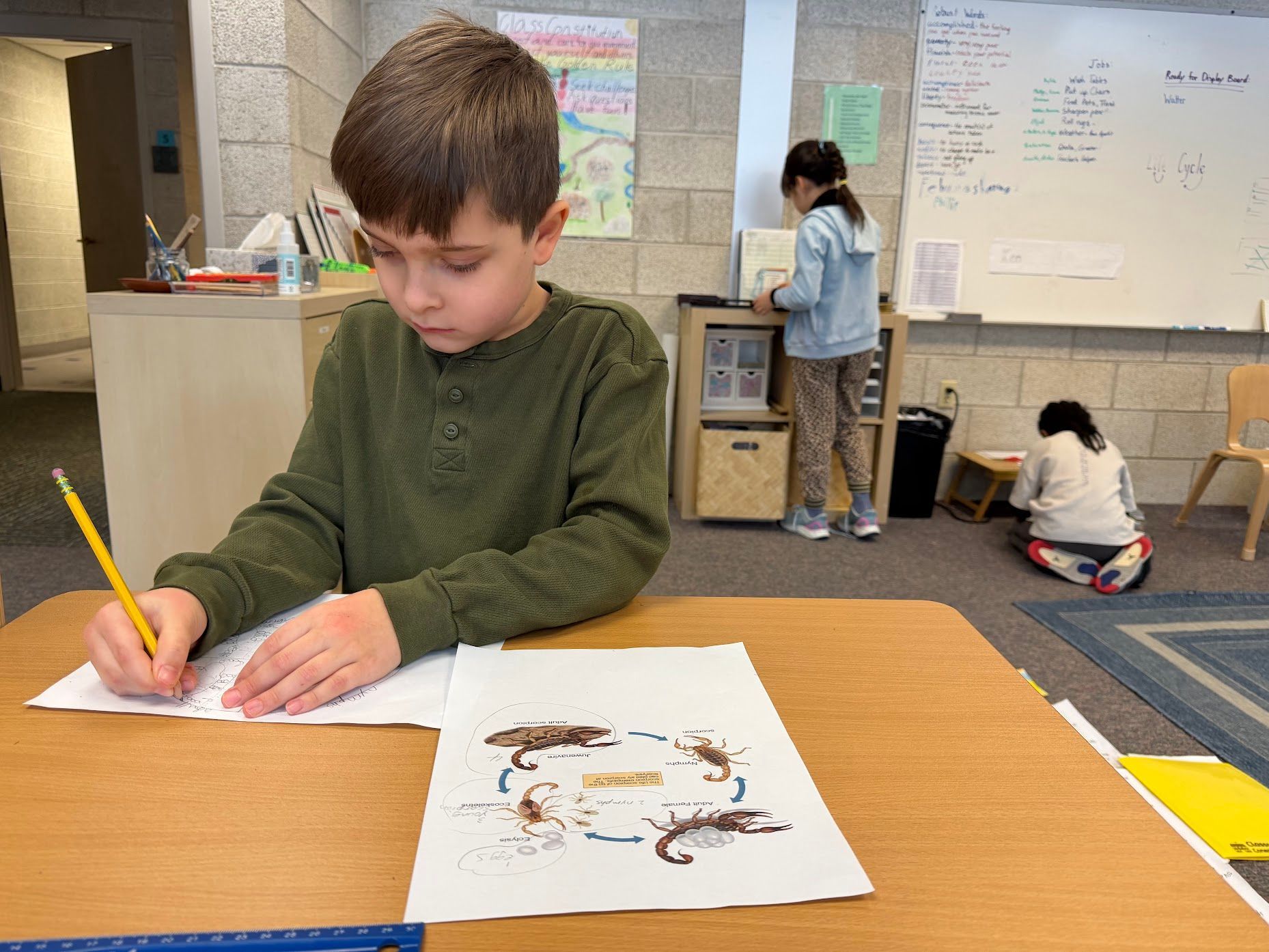
While we do not use punitive measures, gold stars, or arbitrary grades to force compliance, we hold our students to high standards of personal accountability. We ensure expectations are met through clear structure and supportive guidance:
- Clear Expectations: Teachers clearly demonstrate how to complete and return work.
- Dedicated Time: The uninterrupted morning work block provides ample time for deep concentration without rushing.
- Active Observation & Guidance: Teachers monitor progress continuously, stepping in with quiet redirection, small-group support, or collaborative problem-solving when needed.
Work Plans and Time Management
As children move from kindergarten into Lower Elementary, Upper Elementary, and Middle School, academic accountability expands naturally. During these years, guides introduce Work Plans.
A Work Plan is a visual, collaborative schedule created by the guide and the student. It outlines the core lessons, practice tasks, and independent projects that need to be accomplished over the course of a day or week.
While students still enjoy freedom over when and how they tackle these goals, the teacher checks in regularly to review progress. If a child falls behind, the teacher sits down with them for a supportive conference to:
- Identify where time was lost without judgment.
- Re-evaluate seating choices or classroom distractions.
- Brainstorm concrete time-management strategies together.
The student leaves the meeting with practical tools to try, and the teacher follows up to celebrate progress. Through this process, children learn how to organize their time, overcome procrastination, and take genuine pride in their accomplishments.
A Foundation for Life
Learning how to work is a fundamental part of the child's development. Rather than forcing short-term compliance, we take a long-term approach to human development. Our goal is not simply to help children complete a worksheet today, but to help them become confident, resilient, and joyful lifelong learners.
When children leave The T.E.C. Schools, they carry forward the ability to manage their time, advocate for their needs, and face challenging tasks with confidence—skills that serve them in high school, college, and beyond.
These principles of independence, observation, and natural accountability can easily be adapted at home, too. If you ever have questions about supporting your child's work habits or would like to see our peaceful, productive classrooms in action, we welcome you to reach out.
Want to See Our Classrooms in Action?
Discover how our child-centered approach helps students build lasting academic and life skills. Schedule a tour today!