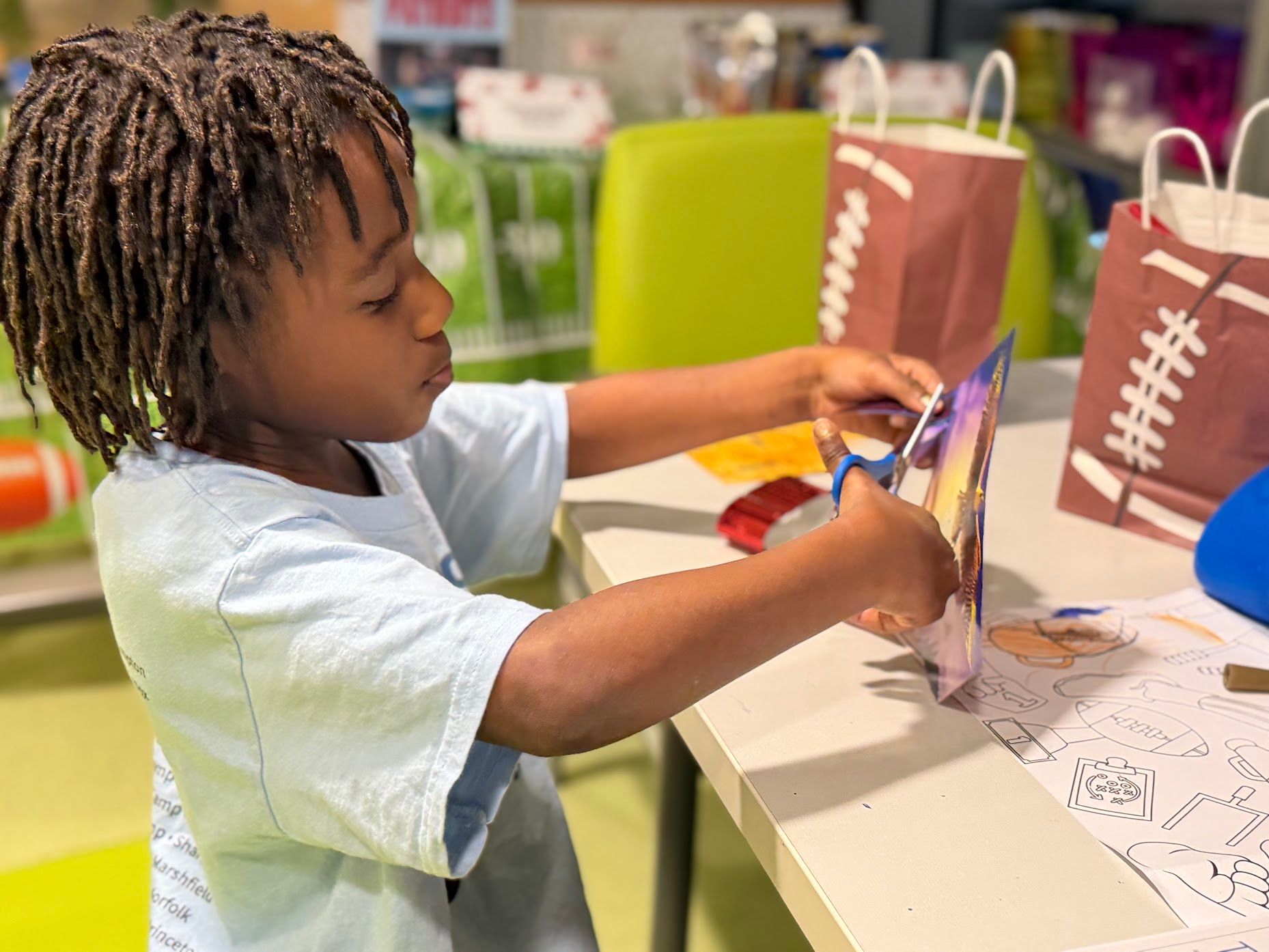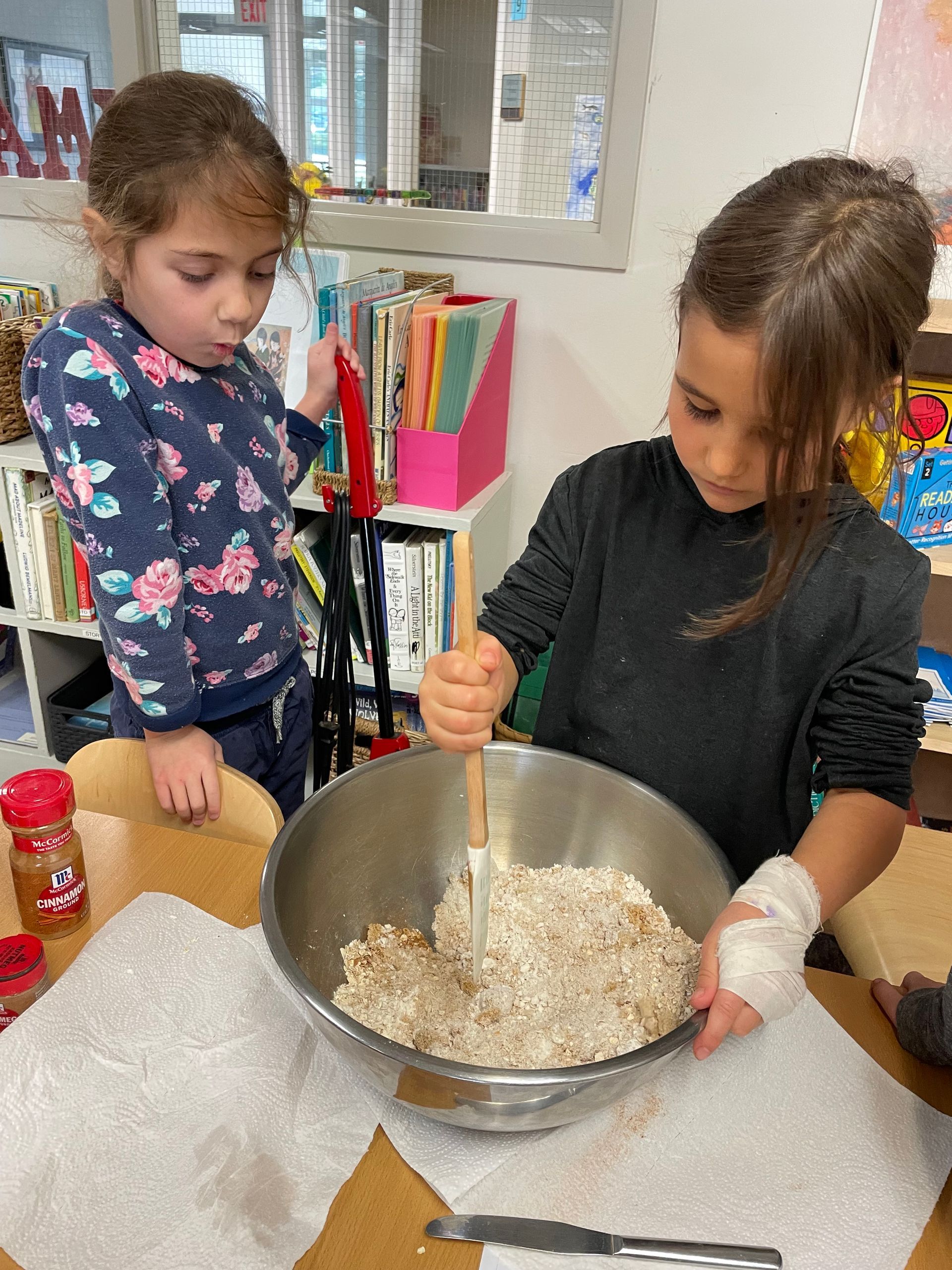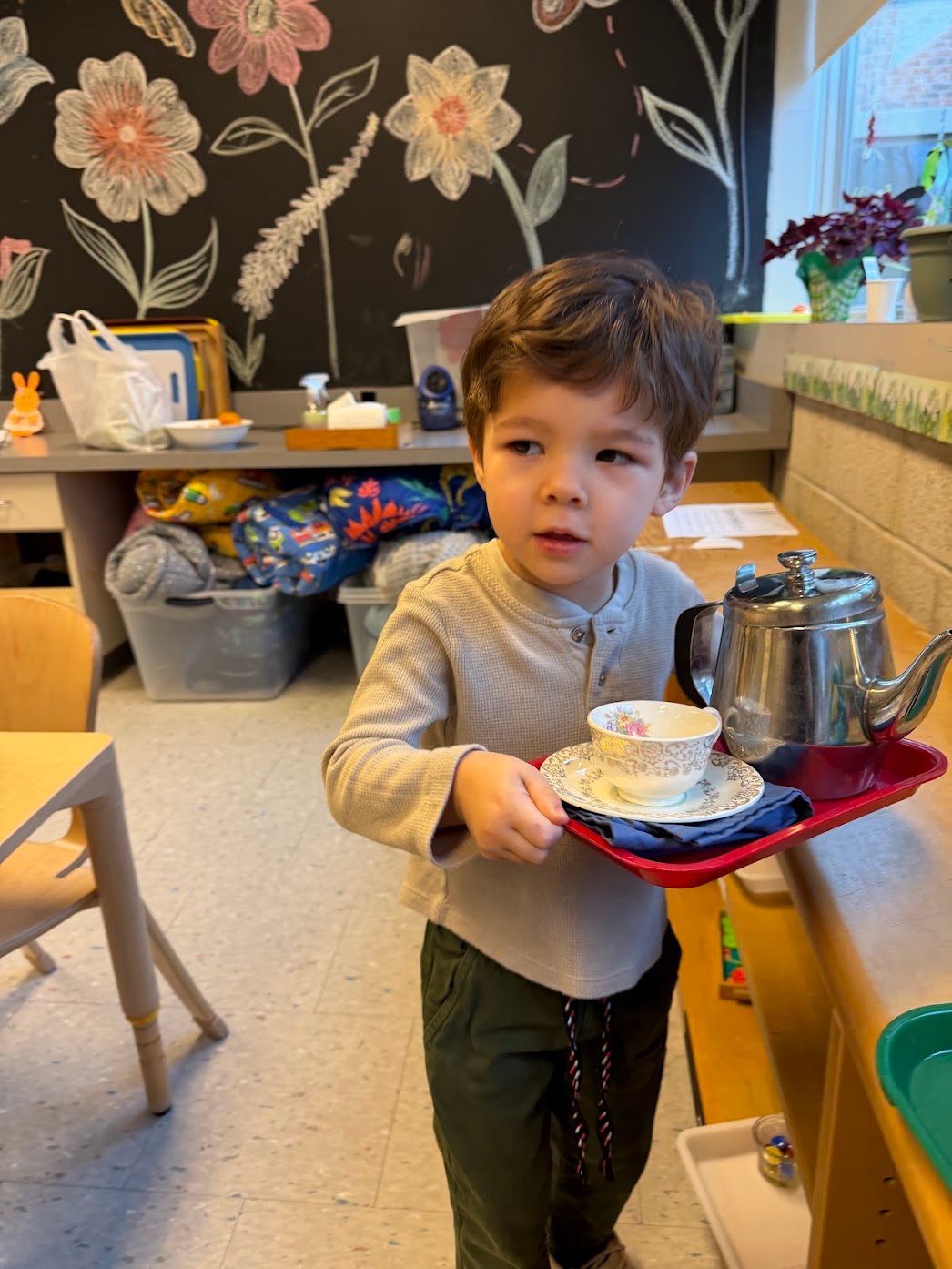
In Montessori education, two words woven into the rhythm of every single day are grace and courtesy. But what do these terms really mean in a modern classroom? How do they serve as an essential foundation for academic focus, and what role do they play in supporting strong, healthy social relationships as children grow?
At The T.E.C. Schools, grace and courtesy are not just passive rules posted on a wall. They are active, practical tools that allow our students in Worcester to navigate their world with empathy, poise, and genuine respect for themselves and others.
Defining Grace and Courtesy
To understand their impact, it helps to isolate each concept:
- Grace refers to the simple elegance, control, and refinement of movement. It is how we carry ourselves and care for the physical space around us.
- Courtesy is showing genuine kindness, politeness, and respect in our attitudes and behaviors toward others.
Together, grace and courtesy represent how we move through our shared world with intention. They form the social blueprint that transforms a classroom from a group of individuals into a peaceful, thriving learning community.
Explicit Lessons in Early Childhood
In our Children's House environments, grace and courtesy are taught as a core part of the curriculum. Our guides (teachers) devote significant time to giving small, explicit lessons on everyday social interactions.
Rather than expecting children to automatically know how to navigate social dynamics, our teachers model specific skills in one-on-one or small-group settings. Students practice:
- Walking carefully around a classmate’s working mat without stepping on it.
- Waiting patiently for a turn with a material.
- Offering help gently to a friend.
- Tucking chairs under tables to keep walkways clear.
- Greeting visitors warmly and introducing themselves.
Role-playing is a favorite technique during these lessons. Children love practicing scenarios in a playful, low-stakes setting.
Crucially, our teachers are very deliberate in how they offer these lessons. If a teacher notices a social misstep or an area for growth, we avoid confronting or correcting the child publicly in the moment. Public correction often leads to embarrassment, causing a child to feel self-conscious rather than supported. Instead, the teacher makes a quiet mental note and presents a neutral grace and courtesy lesson to the group or individual later on. This preserves trust, preserves the child's dignity, and keeps learning safe.
Evolving Through Elementary and Middle School
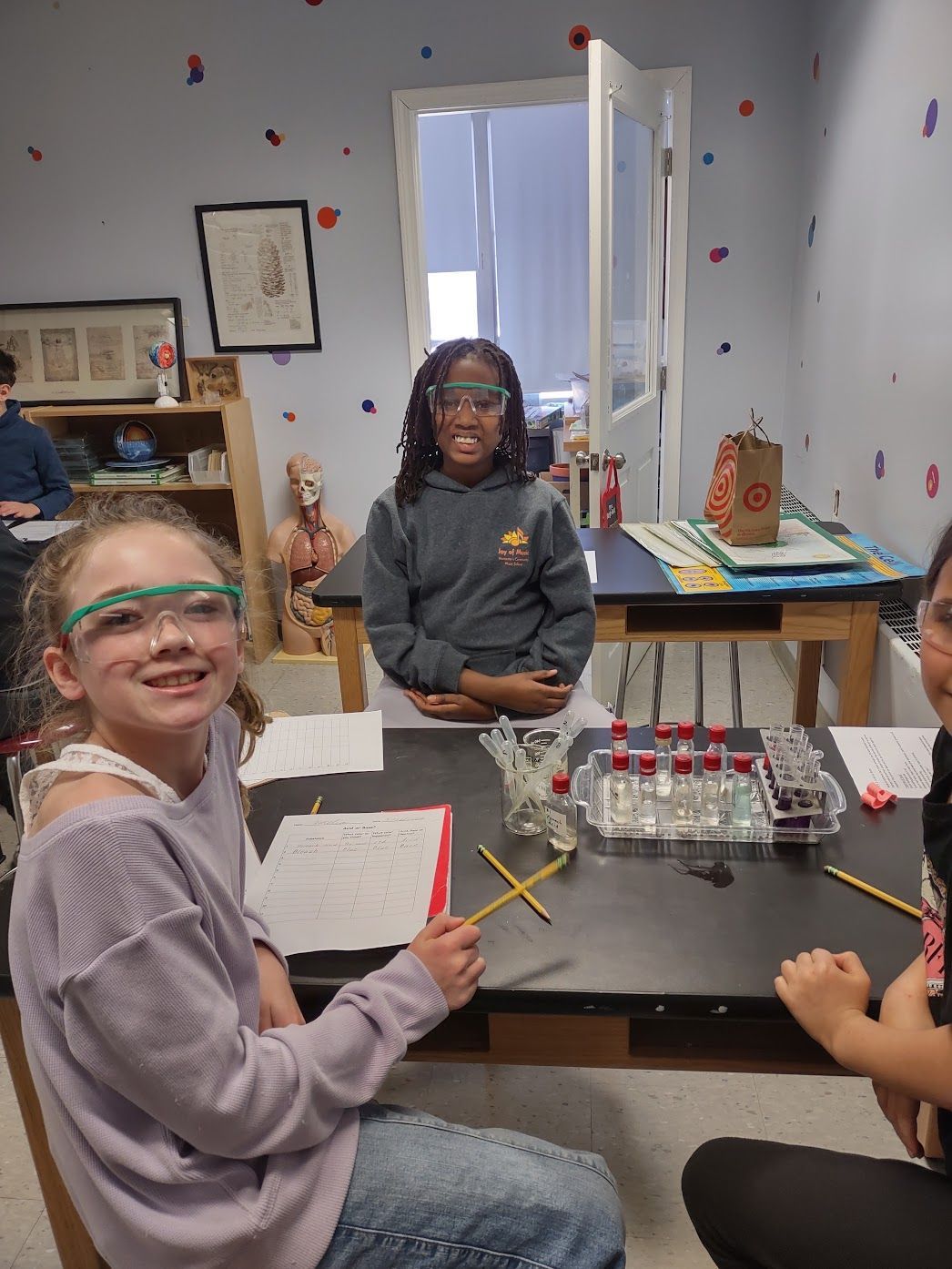
As children grow into Lower Elementary, Upper Elementary, and Middle School, their developmental focus shifts heavily toward social relationships and peer dynamics. At this stage, grace and courtesy lessons evolve to meet their expanding social awareness.
Our elementary and middle school guides provide students with explicit tools for:
- Communicating directly, honestly, and respectfully during peer disagreements.
- Active listening and sharing differing perspectives thoughtfully.
- Protecting a friend's dignity and exercising discretion when something potentially embarrassing occurs.
- Hosting guests, conducting interviews, and representing our school during local field trips and community projects.
Whether students are collaborating on a group STEAM project, tending to our outdoor gardens, or interviewing a local business owner during a Going Out trip in Worcester, these lessons serve as their foundation for real-world citizenship.
The Ultimate Goal: Internal Motivation over Rigid Rules
Our goal at The T.E.C. Schools is never to enforce rigid, robotic behavior or insist on empty pleasantries like forced manners. Instead, we want these actions to stem from an authentic desire to care for one's community.
Dr. Maria Montessori noted that the essential thing is for the child to perform acts of courtesy when their heart prompts them to do so, as part of a social life that develops naturally.
Because grace and courtesy lessons are practiced consistently in our prepared environments, social skill development becomes a natural, daily habit. It provides a structured, supportive scaffold so children feel confident expressing kindness on their own terms.
The Outcome: A Caring, Mindful Community
When you give children a safe, respectful environment to practice these skills daily, the results speak for themselves.
When you visit The T.E.C. Schools, you will see the authentic outcomes of this work every day:
- A Lower Elementary student sitting patiently beside a classmate, showing them step-by-step how to complete a project.
- Children in Children's House welcoming a guest into the room and offering them a glass of water.
- Students quickly grabbing a towel to help clean up an accidental spill without fuss or blame.
- Upper Elementary and Middle School students stepping up to comfort a friend who is having a tough day.
- Children holding doors open, pushing in chairs, and greeting teachers and peers with genuine smiles in the hallway.
Through grace and courtesy, our students learn to think deeply about their impact on the people and spaces around them. They realize that their actions matter, cultivating a strong sense of personal responsibility and global citizenship.
Experience Our Community in Action
Would you like to see how our peaceful classrooms foster empathy, confidence, and strong academic habits? We would love to welcome your family to our Worcester campus.
Schedule a tour today.