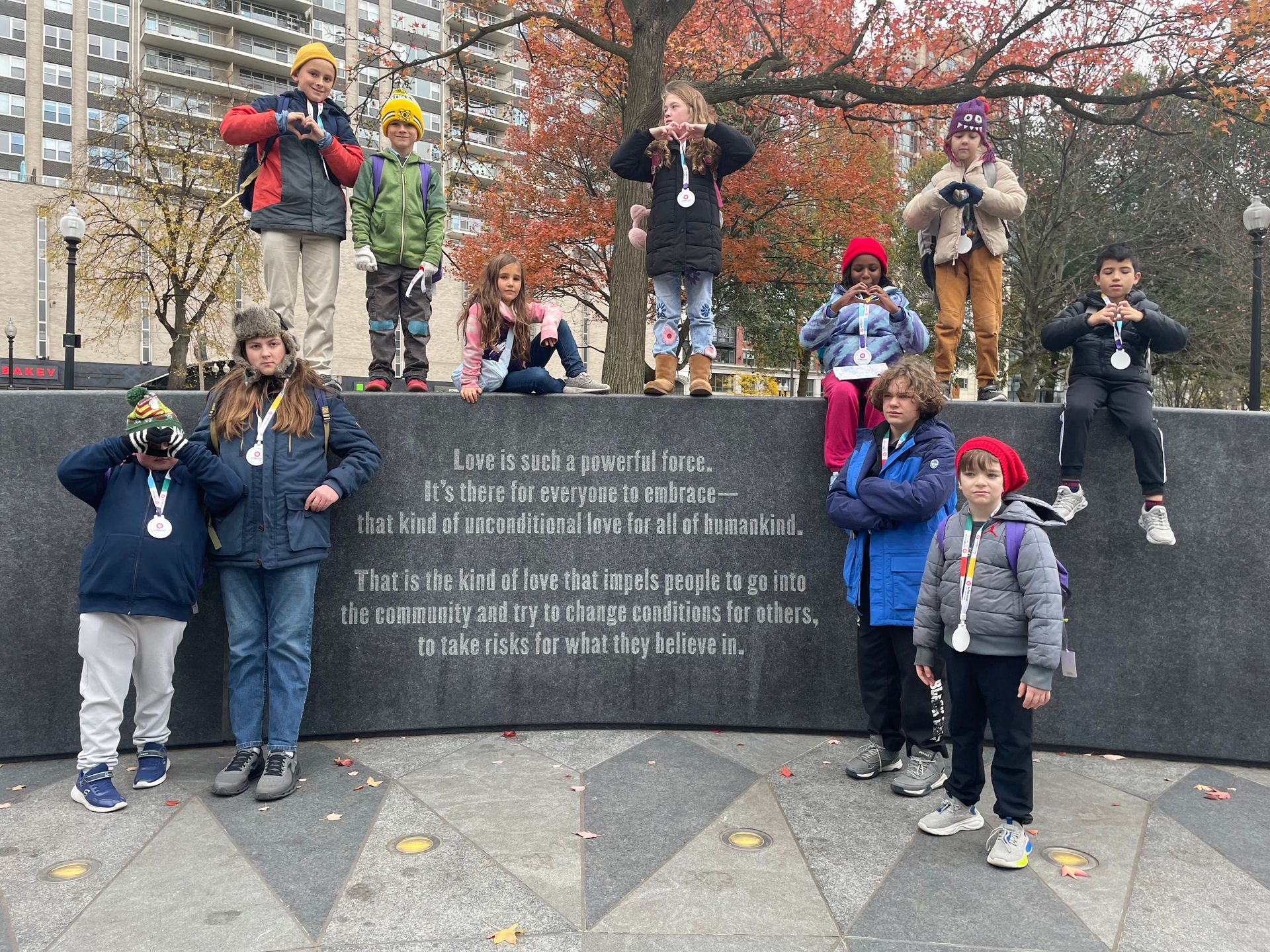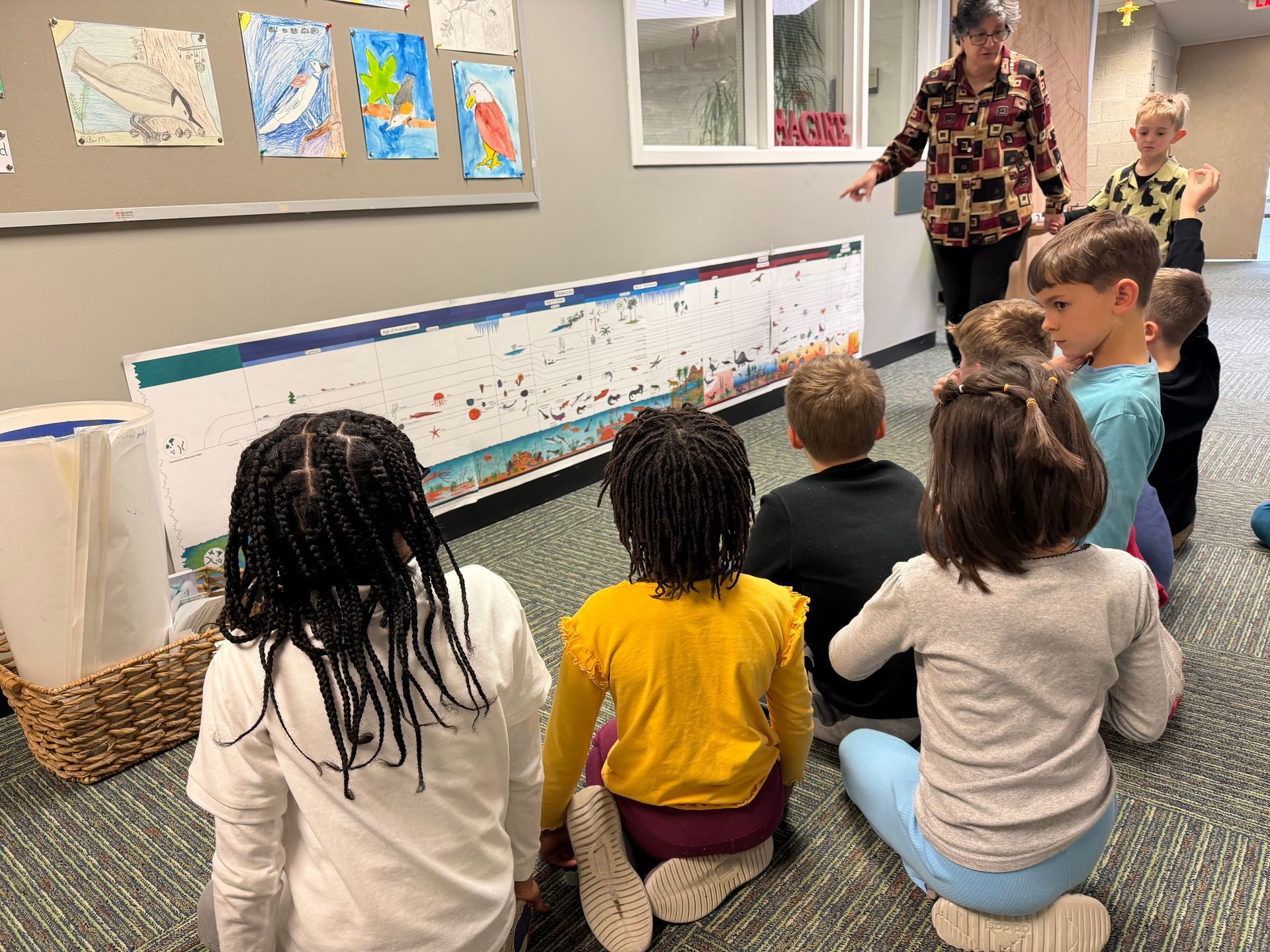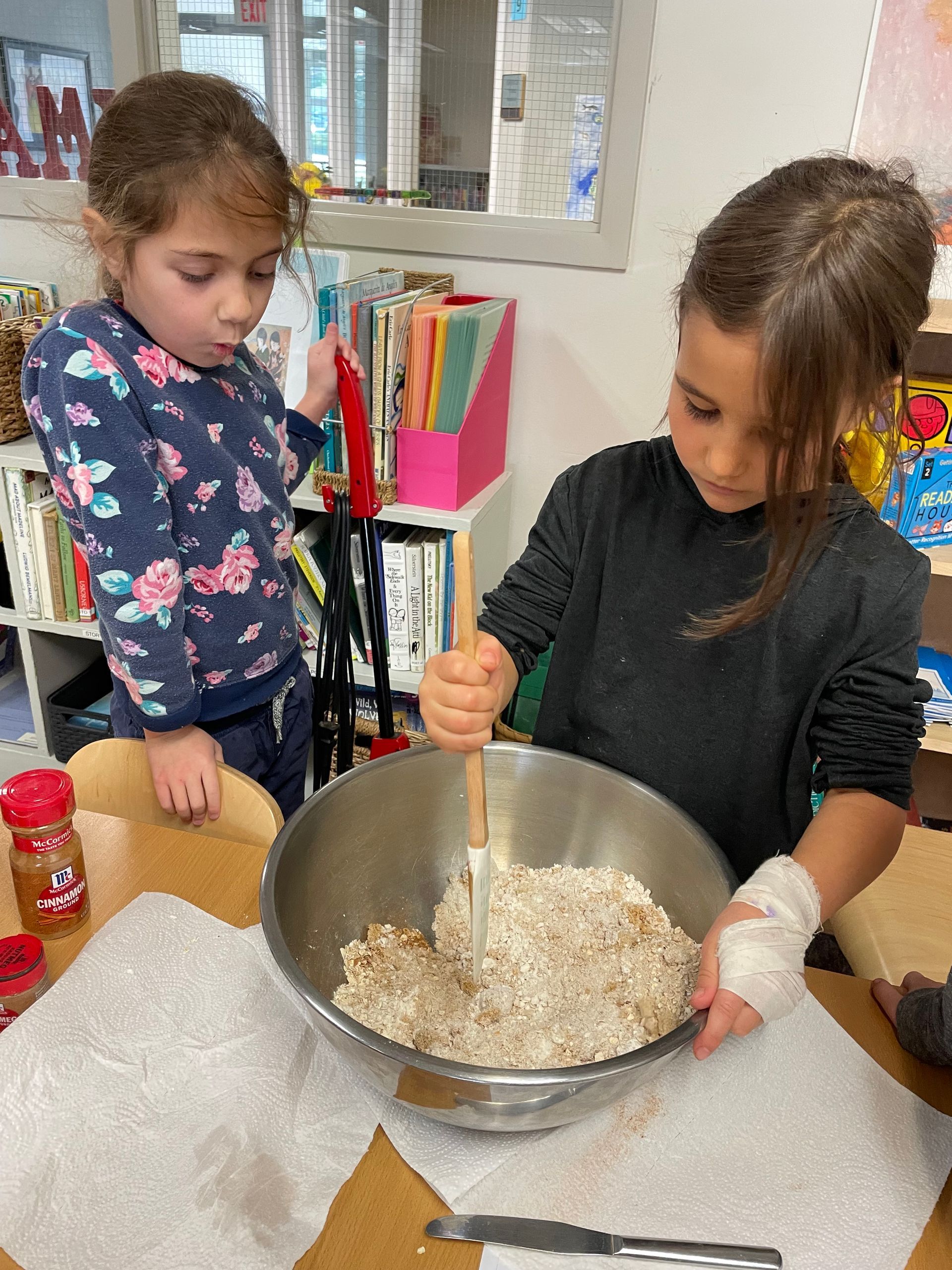
In Montessori education, we often talk about independence—empowering children to dress themselves, choose their work, and master skills at their own pace. Yet, interdependence is another vital aspect of our shared humanity and a core component of our learning community here at The T.E.C. Schools.
Every human being depends on others. We are social beings who evolved to thrive alongside one another; none of us exist in isolation. In our Worcester classrooms, interdependence is woven into how our students interact every day—from practicing Grace & Courtesy to collaborating across age groups.
At the Elementary level, we also utilize a unique Montessori material that offers students a clear window into how human society relies on mutual support and shared effort.
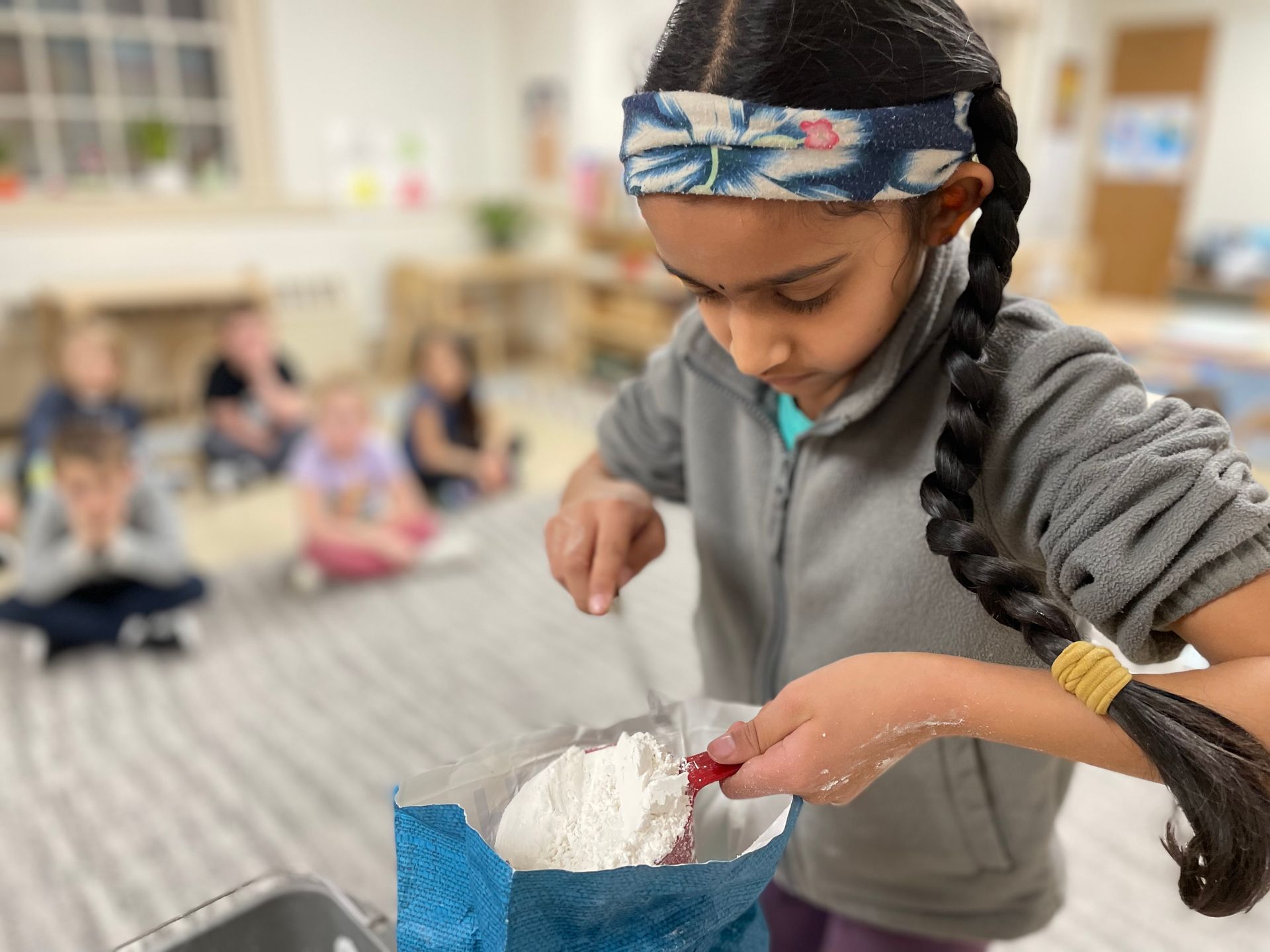
The Interdependencies Cards: A Window Into Our Connected World
To introduce this concept, a guide (teacher) gathers a small group of students—typically in our Lower Elementary (LE) environment—and opens a conversation about a recent meal or a favorite food. When a child mentions bread, or a teacher shares that they had toast for breakfast, the group begins tracing the origin of that single slice of bread:
- “Where did the supermarket get the bread?”
- “Who baked it?”
- “Where did the baker get the flour?”
Together, the children follow the trail all the way back to the farmer who planted the seeds.
As a group, the children marvel at how many hands it takes to bring simple nourishment to our tables. If interest remains high, the group continues exploring other foods, consistently arriving back at the soil and the farmer.
At this point, the guide brings out the first set of Montessori Interdependencies Cards.
Where Does Our Food Come From?
These cards provide a hands-on, visual representation of the group’s discussion.
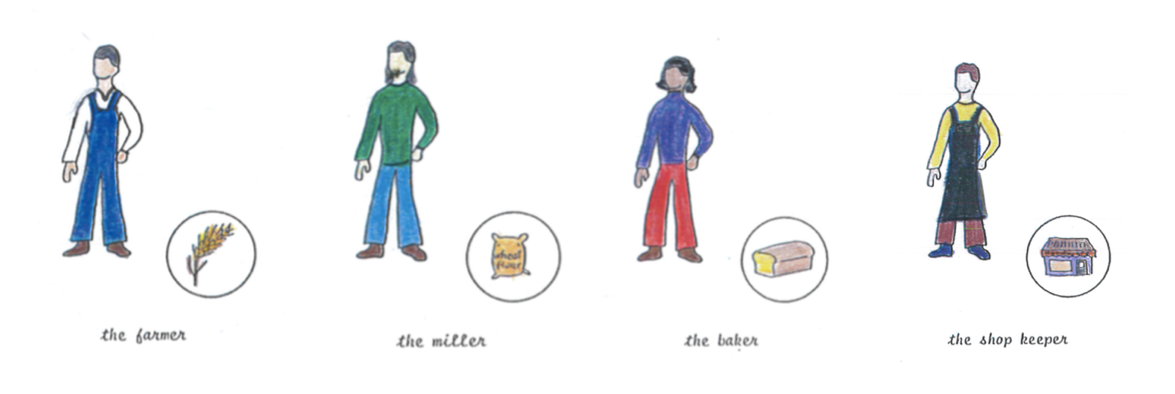
- Because someone purchased bread at a store, the guide places the Shopkeeper card down first.
- Next, the guide explains how the shopkeeper purchased the bread from the baker, placing the Baker card to the left.
- The chain continues sequentially until the complete line is displayed: Farmer → Miller → Baker → Shopkeeper.
Together, the children reflect on how many individuals are involved before a single loaf arrives at home. The guide then poses a new reasoning question: “How does the miller get wheat from the farmer?”
The children discuss logistics, realizing the farmer needs transportation—a truck, a tractor, or a train. Transportation cards are then placed between the producers.
Next, the group looks closer at the baker. Does a commercial baker work entirely alone? The children realize the baker might rely on a dough mixer, an oven tender, and a packager. If the baker needs a team, so do the miller, the farmer, and the drivers.
What would life look like if each of us had to grow, harvest, mill, bake, and transport everything we needed entirely on our own? These exercises allow our Lower Elementary and Upper Elementary students to use their developing reasoning minds to see the vast web of human effort behind everyday life.
Production, Exchange, and Economic Concepts
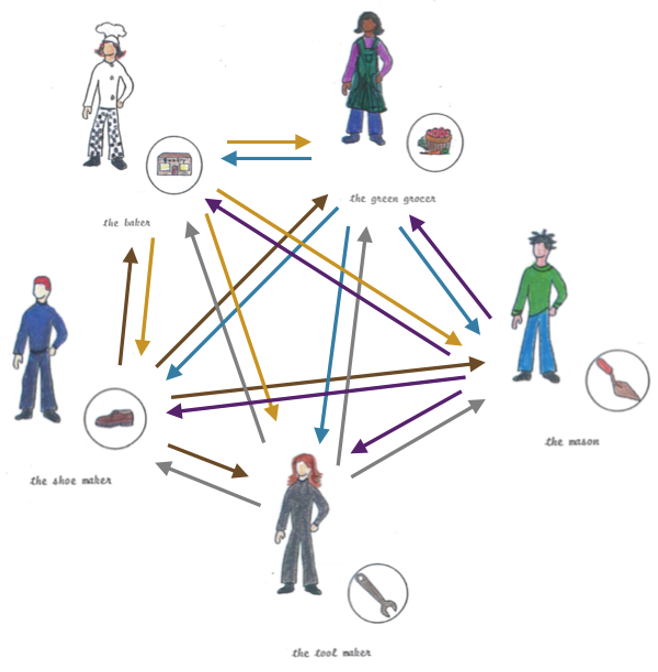
As students deepen their work with these materials, we introduce advanced sets of cards to explore what farmers produce, who depends on them, and what goods the farmers need in return.
This naturally leads to exploring how goods are exchanged and why money exists as a modern medium of exchange. Rather than relying on abstract lectures, children visualize trade: a shoemaker cannot simply trade shoes to a baker every single day in exchange for daily bread. Money acts as the universal bridge.
Students draw lines between producers to see how goods and money flow across society. This hands-on visualization grounds complex economic principles in tangible, child-centered terms.
Connecting Community and Civic Services
Once students grasp basic economic exchange, the lesson expands into civil society and public services.
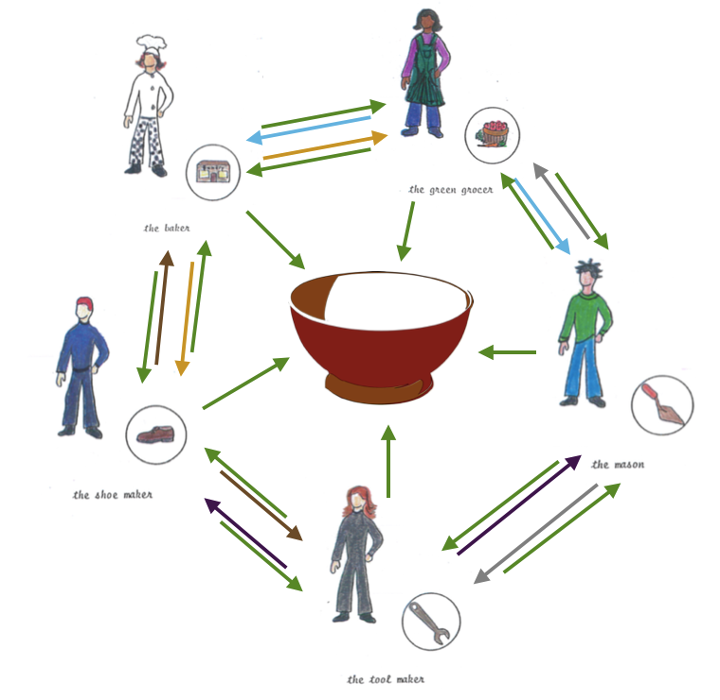
Each producer and family needs roads, clean water, emergency services, libraries, and parks. The guide introduces the concept of collective contribution: society coming together to "chip in" for shared community needs.
A card representing a central collection agency (a bowl) is placed in the center. Students draw lines showing how each person contributes a portion of their income—taxes—so the broader community can fund essential public services.
Real-World Outcomes: From Classroom Lessons to Real Exploration
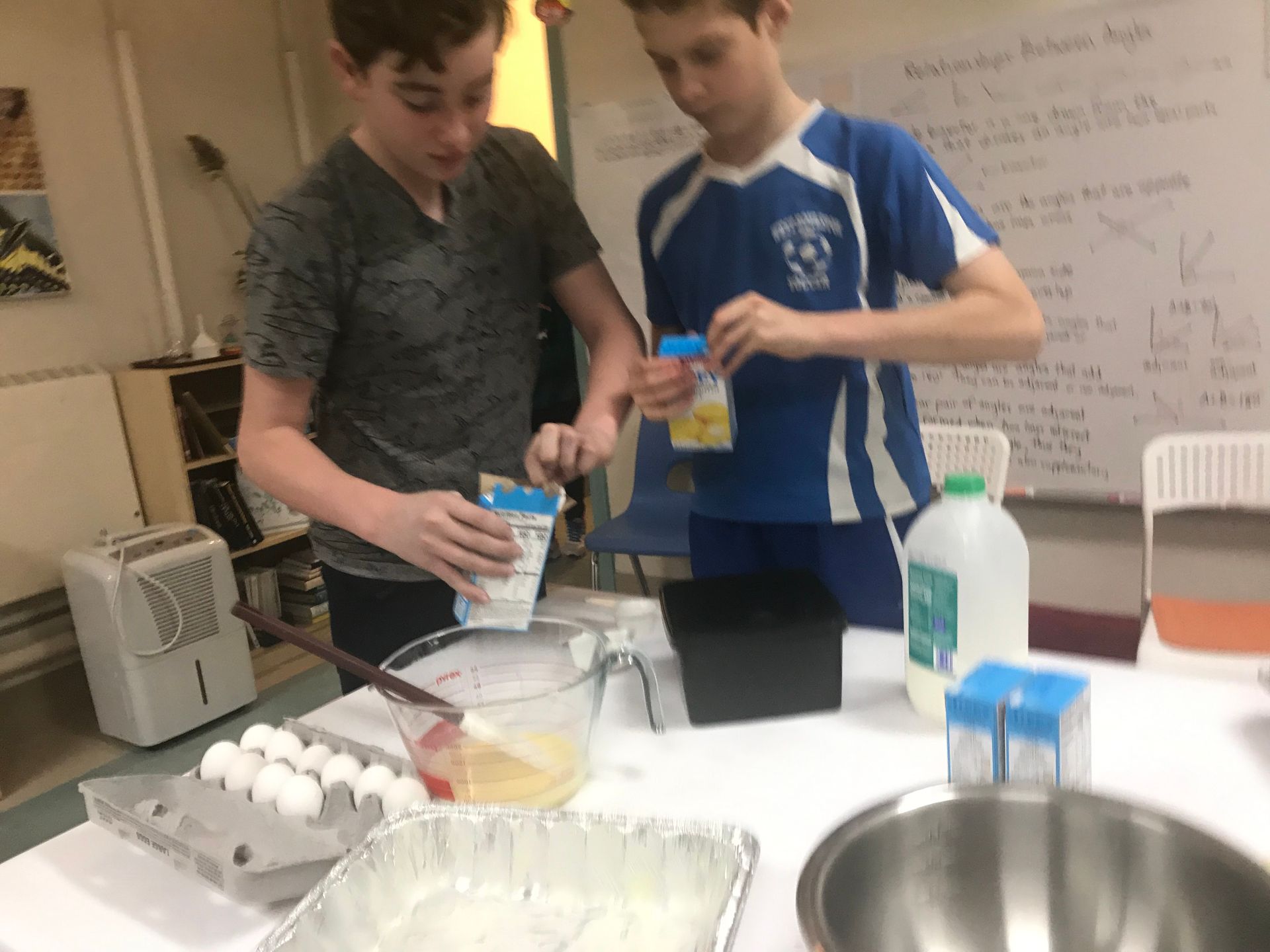
Our elementary students are consistently fascinated by this work. Older Upper Elementary students often experience real "aha!" moments as they connect these materials to history, geography, and current social structures.
At The T.E.C. Schools, learning rarely stays inside the four walls of a classroom. When students express deep interest in these concepts, this work often inspires:
- Student-led research: Creating custom interdependencies charts for items like textiles, paper, or technology.
- Going Out trips: Planning small-group field trips to local Worcester bakeries, farms, or municipal centers to see these economic webs operating in real life.
- STEAM connections: Examining how modern technology and agriculture streamline production and sustainability.
By moving from concrete materials to real-world observation, students cultivate a deep sense of gratitude for the workers around them, reinforcing our focus on respect, Grace & Courtesy, and global citizenship.
See Montessori Learning in Action
At The T.E.C. Schools, we prepare children not just for academic success, but to understand their place in an interconnected world.
Would you like to see how our hands-on curriculum fosters critical thinking and community awareness? We invite you to schedule a tour and visit our classrooms in Worcester.