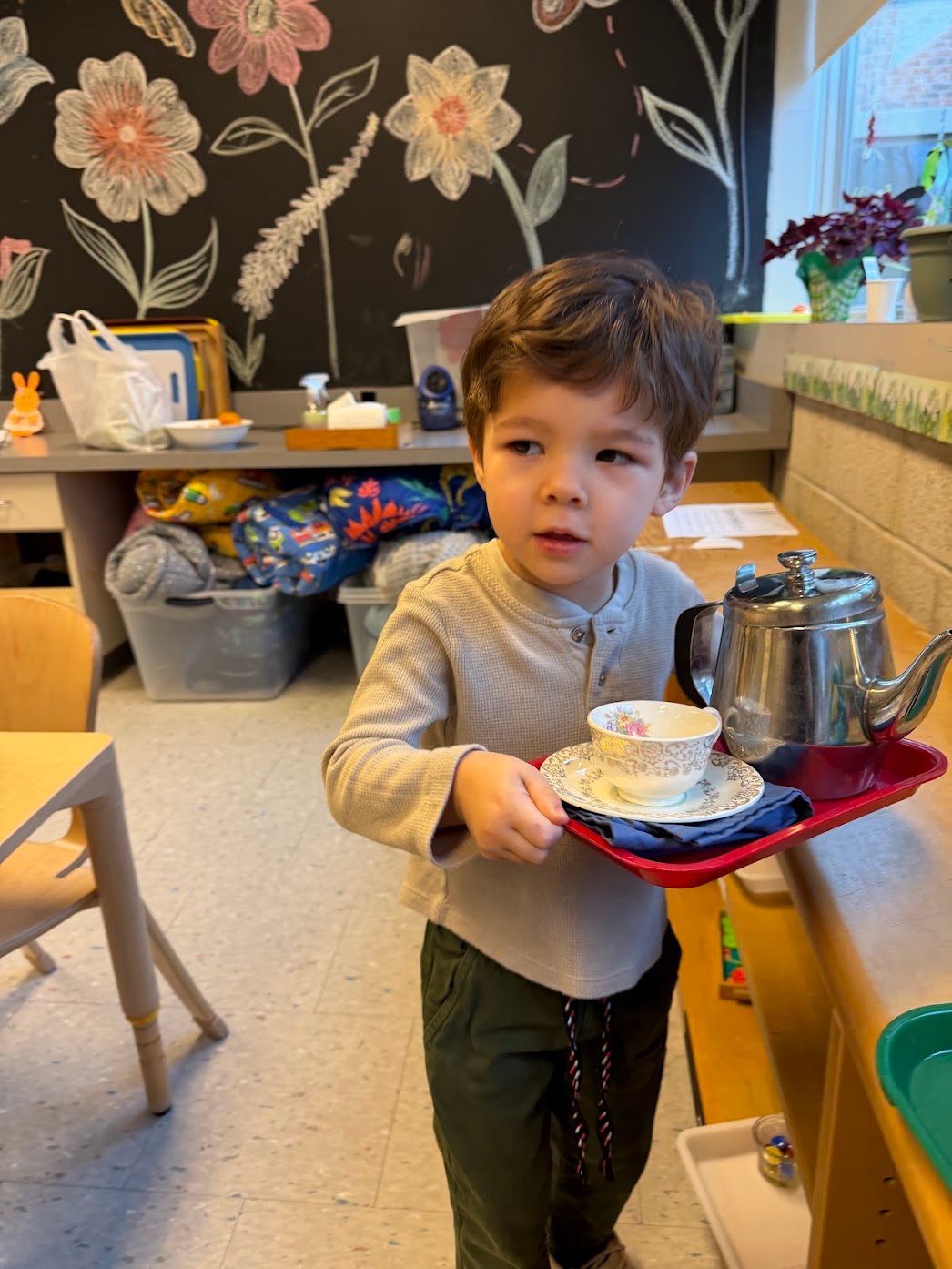
There are many different reasons why families choose a Montessori education for their child. Some enroll when their child is very young in our Children's House classrooms and stay the course for years. Others discover us a bit later on. Others, still, leave for a traditional school setting and end up returning a year or two later when they realize what was missing.
Why do parents gravitate toward this unique method of education? And why do so many of our families choose to remain at The T.E.C. Schools as their children reach the pivotal transition into Lower Elementary?
Here are a few of the main reasons we see every day in our school community.
1. They Want to Keep the "Capstones" of Children's House Alive in Lower Elementary
The final year of Children’s House (the traditional Kindergarten year) is often called the "leadership year." Children who have spent two years observing older peers suddenly become the leaders, mentors, and role models of their community.
When families choose to stay at The T.E.C. Schools for Lower Elementary (LE), that confidence and independence don't reset—they compound. In Lower Elementary (Grades 1–3), students move from concrete hands-on learning to abstract thinking. Because our teachers already know their unique learning profile, there is no "start-of-year lag." Our LE students hit the ground running, taking on complex research projects, advanced math concepts, and collaborative work while retaining their role as thoughtful community leaders.
2. They’re Wary of High-Stakes Testing
In many traditional settings, the transition to first grade marks the start of standardized tests, worksheets, and state-mandated benchmarks. The focus often shifts from curiosity to compliance, as teachers feel forced to "teach to the test."
At The T.E.C. Schools, we believe assessment should inform learning, not create anxiety. In Lower Elementary, our teachers continuously observe, assess, and guide each child individually. We ensure students exceed academic standards without sacrificing the joy of discovery. Our students learn how to think critically rather than just how to memorize facts for a test.
3. They Deeply Value Recess, Nature, and Outdoor Learning
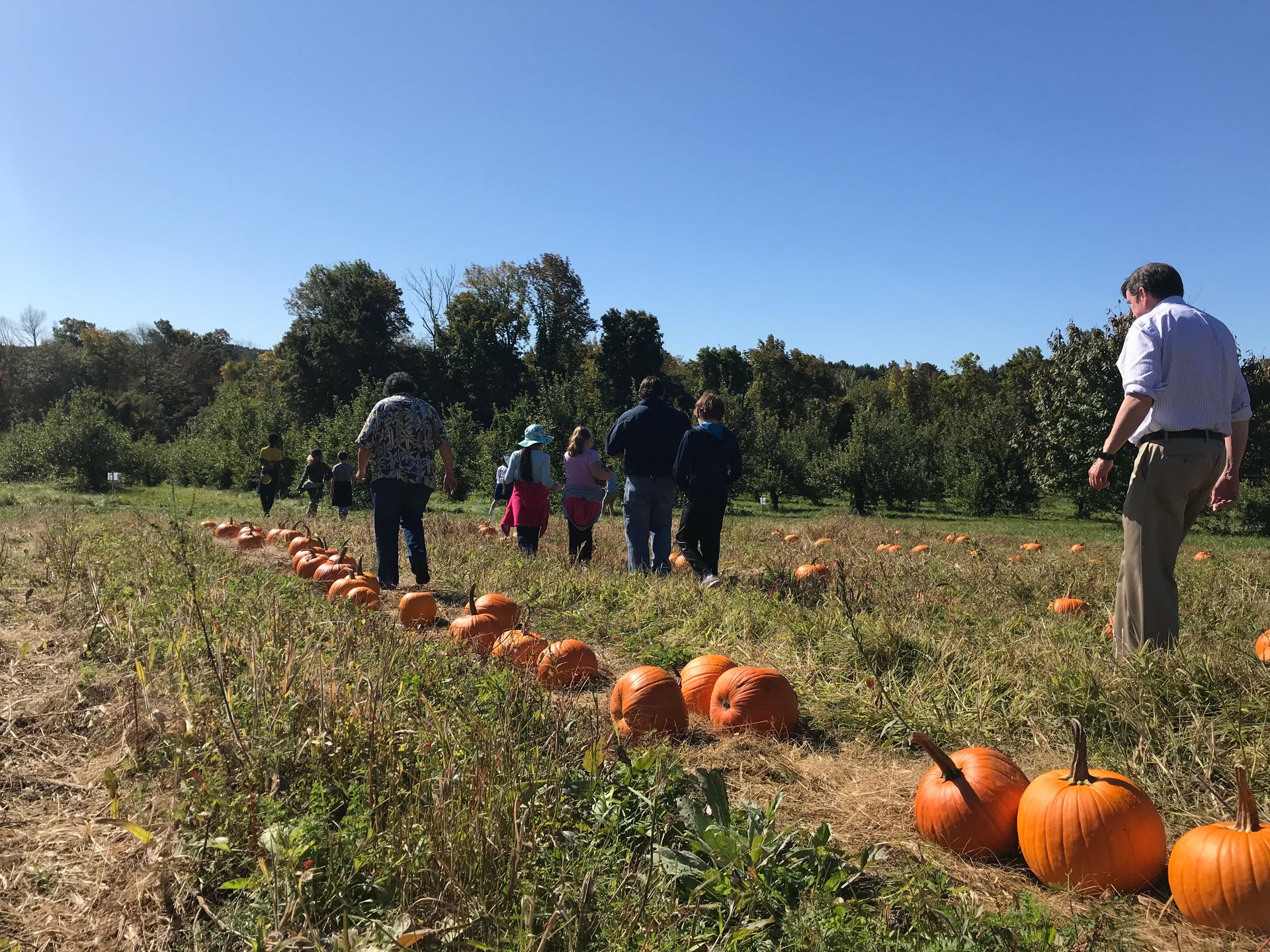
In many traditional schools, outdoor time is reduced to a brief 15-to-20-minute break. At The T.E.C. Schools, outdoor exploration is an essential part of our daily curriculum.
Whether our Lower Elementary students are tending to our school gardens, participating in nature field trips, or conducting outdoor science observations, movement and nature are woven into their schedule. Research consistently shows that outdoor movement increases focus, reduces stress, and fosters deep concentration. Through our guiding principles—Think, Explore, Create—we make sure our students have the time and space to connect with the natural world around them.
4. They Want a Supportive Social Environment for the "Elementary Shift"
The transition from age six to nine is a time of incredible social development. Children begin to care deeply about peer relationships, fairness, and community rules—but they don't always know how to navigate social friction independently.
In some educational environments, Social-Emotional Learning (SEL) is treated as an afterthought. At The T.E.C. Schools, teaching Grace & Courtesy is part of our everyday work. Our Lower Elementary teachers facilitate real-time conflict resolution, conduct class meetings, and teach active listening and empathy. We don't punish conflict; we treat it as a valuable teaching moment so children learn how to build healthy, respectful relationships that last a lifetime.
5. They Want Their Child to Truly Love Learning
School shouldn't be something children have to endure; it should be a place that ignites lifelong curiosity.
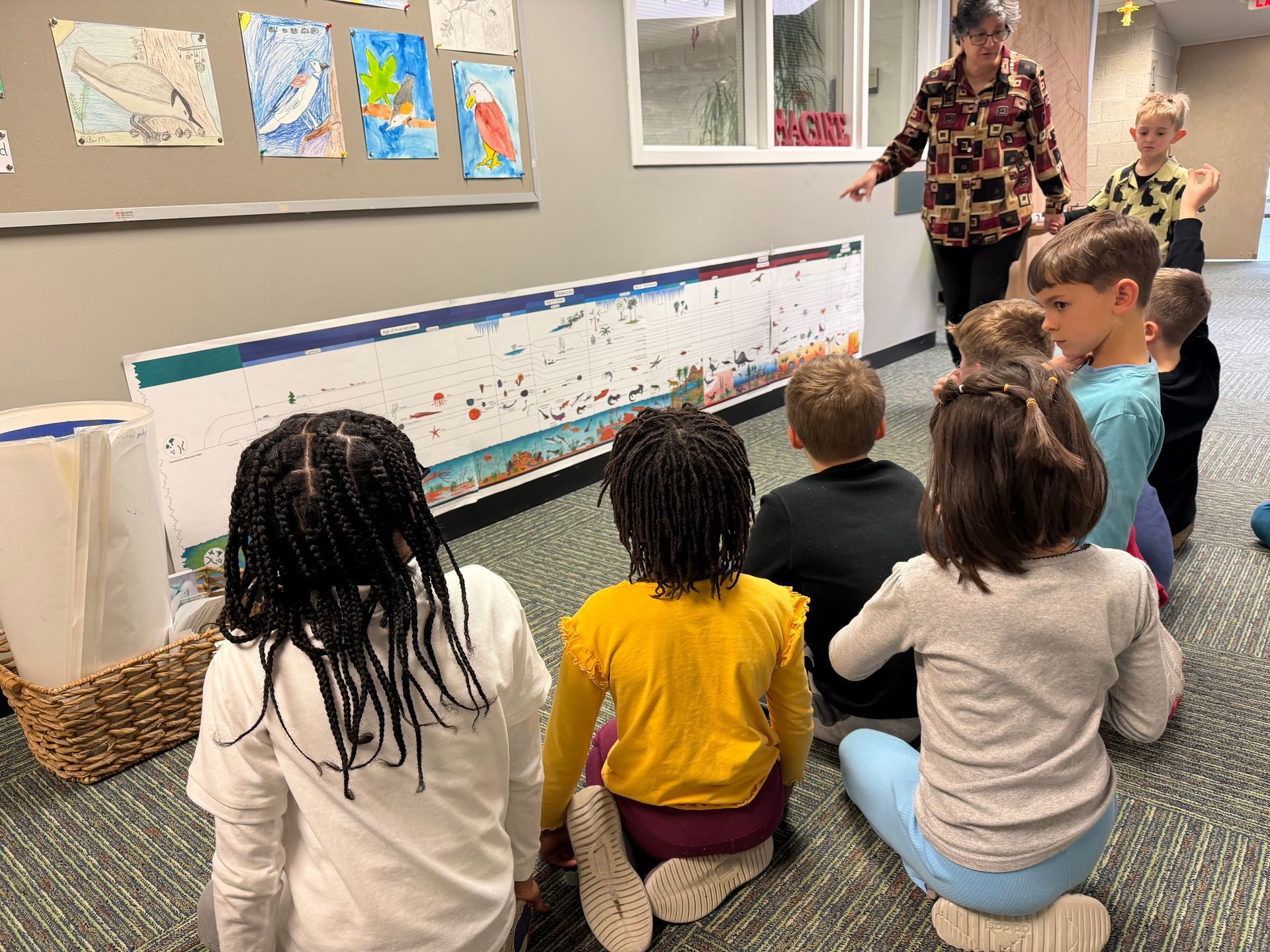
In our Lower Elementary classroom, subjects aren't taught in isolated, 45-minute blocks. Instead, history, geography, biology, language, and geometry are interconnected through the Montessori Great Lessons. A story about the universe leads to an exploration of physics, which leads to a creative writing piece, which leads to a student-led research project. When children are given the freedom to follow their intellectual curiosity, learning becomes an exciting adventure rather than a chore.
6. The Traditional "Sit-at-a-Desk" Structure Doesn't Honor How Children Learn
Sitting in rows of desks, listening to a teacher lecture to an entire group at a single pace, simply does not match the developmental needs of a 6- to 9-year-old.
In our Lower Elementary environment, movement is respected. Children work at low tables, on floor mats, independently, or in small collaborative groups. If a child needs to move their body, get a drink of water, or choose a new workspace, they have the autonomy to do so safely and respectfully. This trust fosters intrinsic motivation, self-regulation, and executive function skills that serve them well into Middle School and beyond.
Discover the Lower Elementary Experience at The T.E.C. Schools
Choosing where your child spends their early elementary years is one of the most important educational decisions your family will make.
If your child is currently in their Kindergarten year in Children's House, or if you are looking for an educational home in Worcester that honors your child's full potential, we invite you to experience our Lower Elementary environment in action.
We invite you to
schedule a tour.
We would love to show you how our students continue to
Think, Explore, and Create every single day.