At the elementary level, children are driven by a deep curiosity to understand the how and why of everything around them. In our Lower Elementary (LE) and Upper Elementary (UE) classrooms at The T.E.C. Schools, students naturally outgrow the boundaries of their immediate environment. Their expanding minds compel them to explore the broader world, test their independence, and learn how society functions.
To meet this developmental need, Montessori education offers a unique approach called "Going Out."
Dr. Maria Montessori recognized that for six- to twelve-year-olds, learning cannot be contained within four walls. The classroom door must open outward into the community. At The T.E.C. Schools, "Going Out" is not just a break from the daily routine; it is a vital bridge between classroom theory and real-world capability.
What Is "Going Out"?
Imagine a small group of three or four Upper Elementary students investigating native plant species in New England. Having exhausted the books and materials in their classroom, they realize they need to see these ecosystems in person. Rather than waiting for a teacher to plan a trip, the students take the lead. They research a nearby nature center, call to verify operating hours, map out the route, and arrange for an adult driver.
Or consider a group of Lower Elementary students studying regional history who decide to take the commuter train from Worcester into Boston to visit a museum exhibit. From checking train schedules and calculating ticket costs to navigating the station, the journey itself becomes as educational as the destination.
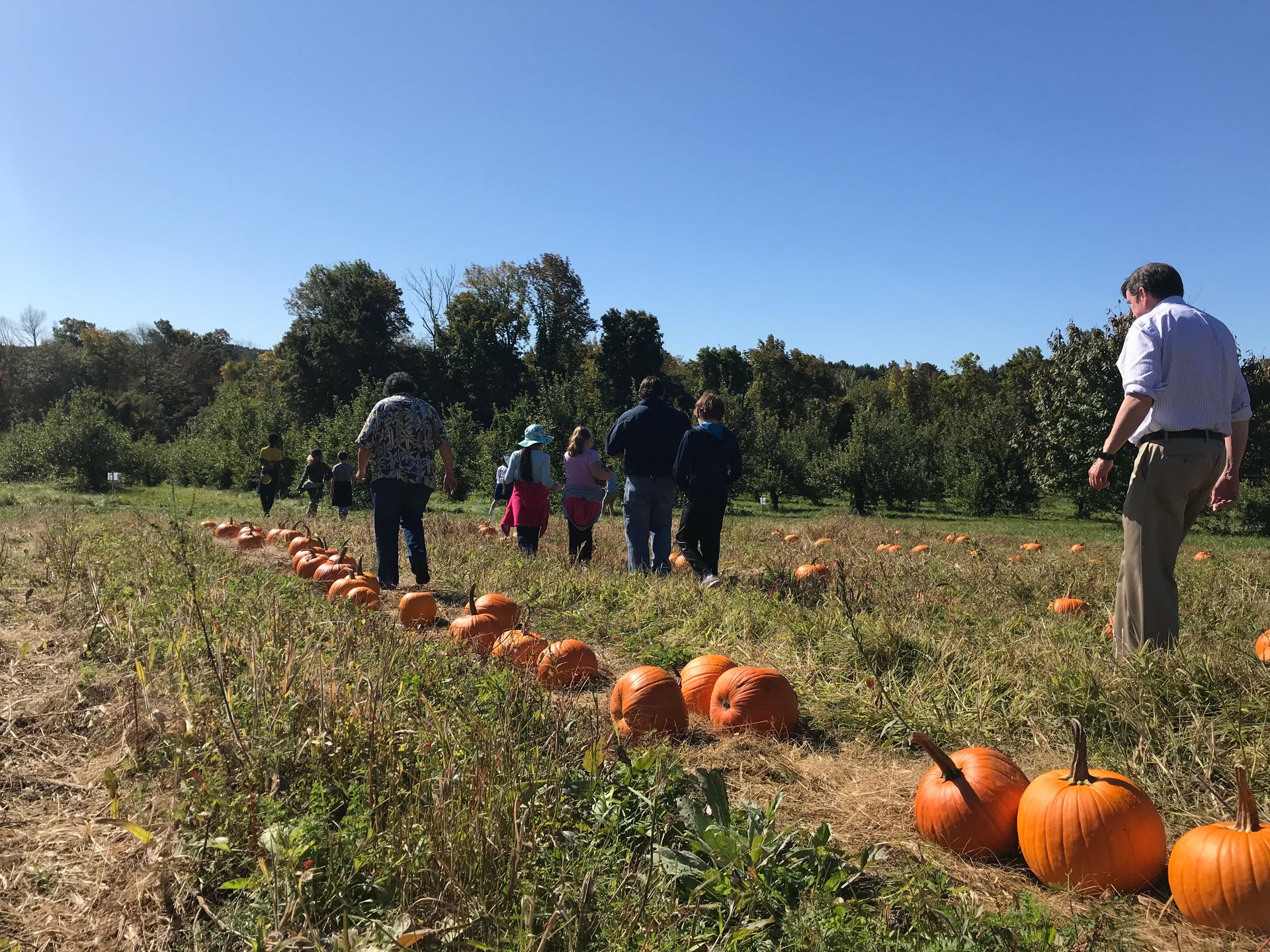
"Going Out" trips arise directly from the students' interest. Whether it’s visiting a local farm to study soil health and animal care, traveling into Boston for a cultural exhibit, or conducting hands-on research in an outdoor nature classroom, these excursions are conceived, planned, and executed by the children themselves.
The Purpose of Going Out: Independence, Collaboration, and Life Skills
These small-group trips serve the elementary child’s intense desire for intellectual stimulation, social collaboration, and real-life practice.
The universe is vast, and it simply won't fit inside a single classroom! Through "Going Out," our students develop essential real-world skills:
- Executive Function & Logistics: Planning a trip requires children to write formal emails, make phone calls, read transportation schedules, budget for admissions fees, and organize their daily supplies.
- Authentic Collaboration: Working in a small group requires sharing responsibilities, delegating tasks, and making group decisions. When minor conflicts arise, students practice the constructive problem-solving skills we cultivate through our Grace & Courtesy lessons.
- Self-Discipline & Responsibility: Out in the community—whether on a farm trail, inside a busy train station, or at a city museum—students must hold themselves and their peers accountable for safe, respectful behavior.
Before any outing, our teachers provide targeted lessons in community decorum: how to conduct an interview, how to navigate public space mindfully, how to pay an admission fee, or how to write a formal thank-you note afterward. These are the foundational habits of engaged, responsible citizenship.
How "Going Out" Differs from a Traditional Field Trip
While traditional class-wide field trips are valuable community events, a Montessori "Going Out" trip is fundamentally different.
Traditional field trips are typically planned, organized, and directed by adults for an entire class. A "Going Out" excursion, by contrast, is initiated by a small group of children driven by a specific research goal.
The adult’s role on a "Going Out" trip requires a special kind of restraint. Parents or staff members who serve as drivers are there to ensure safety, not to lead the way. The children provide the directions, keep track of time, and handle interactions at the venue. If the students forget to double-check opening hours and arrive to find a closed door, the adult driver steps back, allowing the students to problem-solve the situation together. This trust empowers children to realize how capable they truly are.
Our Local Living Classroom: From Worcester to Boston
At The T.E.C. Schools, our location offers a rich landscape for student-led exploration:
- Nature Classrooms & Local Farms: Building on our school’s strong gardening and environmental culture, students visit regional farms and conservation areas to study agricultural science, ecology, and botany firsthand.
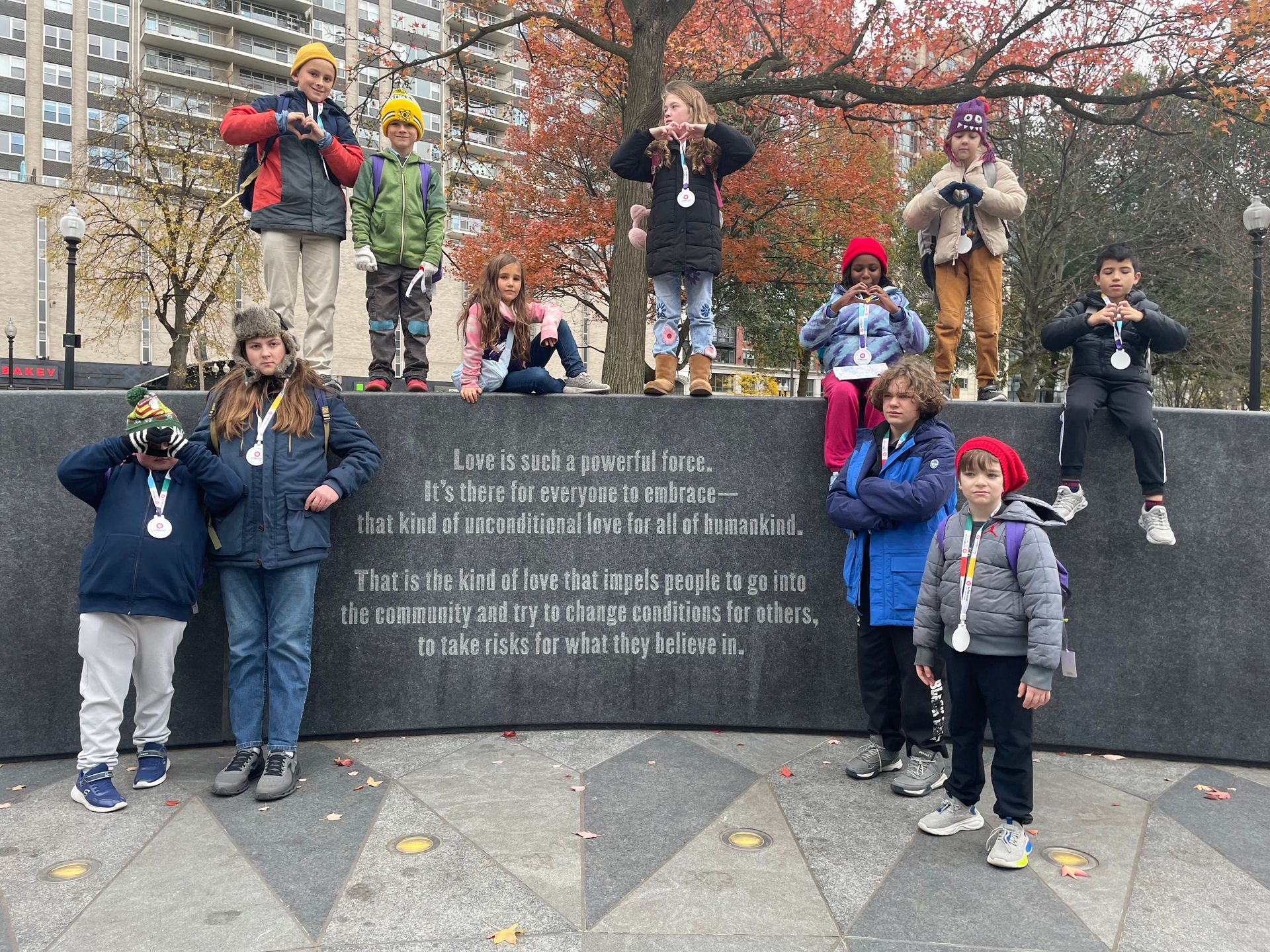
- City & Cultural Exploration: Taking the train into Boston or exploring cultural resources in Worcester allows students to connect their historical and social studies work to living institutions, museums, and historical landmarks.
- Community Connection: By engaging directly with local business owners, farmers, librarians, and artisans, our students build confidence in their ability to navigate the adult world with respect and poise.
Supporting the Spirit of "Going Out" at Home
Parents can easily nurture this same spirit of independence in daily family life. You can turn routine errands into meaningful opportunities for your child to practice real-world planning:
- Grocery Store Trips: Involve your child in reviewing weekly meal plans, drafting the shopping list, calculating an estimated budget, and locating items in the store.
- Family Outings: If a weekend hike or library visit sparks interest, invite your child to look up the facility's hours, check the weather forecast to choose proper clothing, and help pack the day pack.
- Public Interactions: Encourage your child to ask the librarian for assistance, hand the cashier the payment, or thank a park ranger directly.
Preparing Children to Think, Explore, and Create in the Real World
Elementary children are capable of extraordinary independence when given the trust, tools, and framework to succeed. By opening our classroom doors to the wider world, we give our students the keys to unlock their own learning.
Through every farm visit, train ride, and city excursion, T.E.C. students are learning to Think critically, Explore courageously, and Create meaningful connections with the world around them.
Interested in seeing how our Lower and Upper Elementary classrooms prepare students for the real world?
Schedule a tour today!