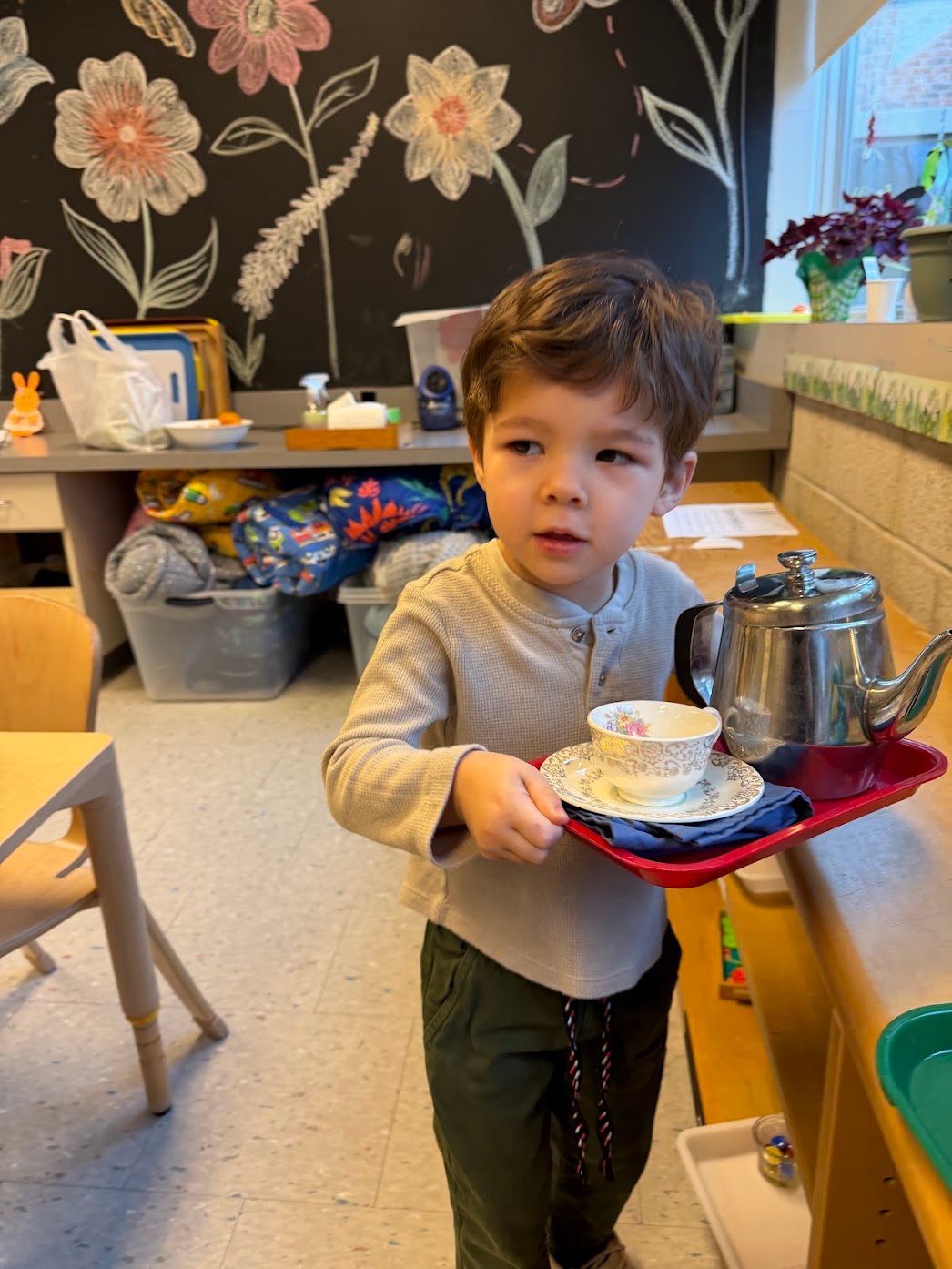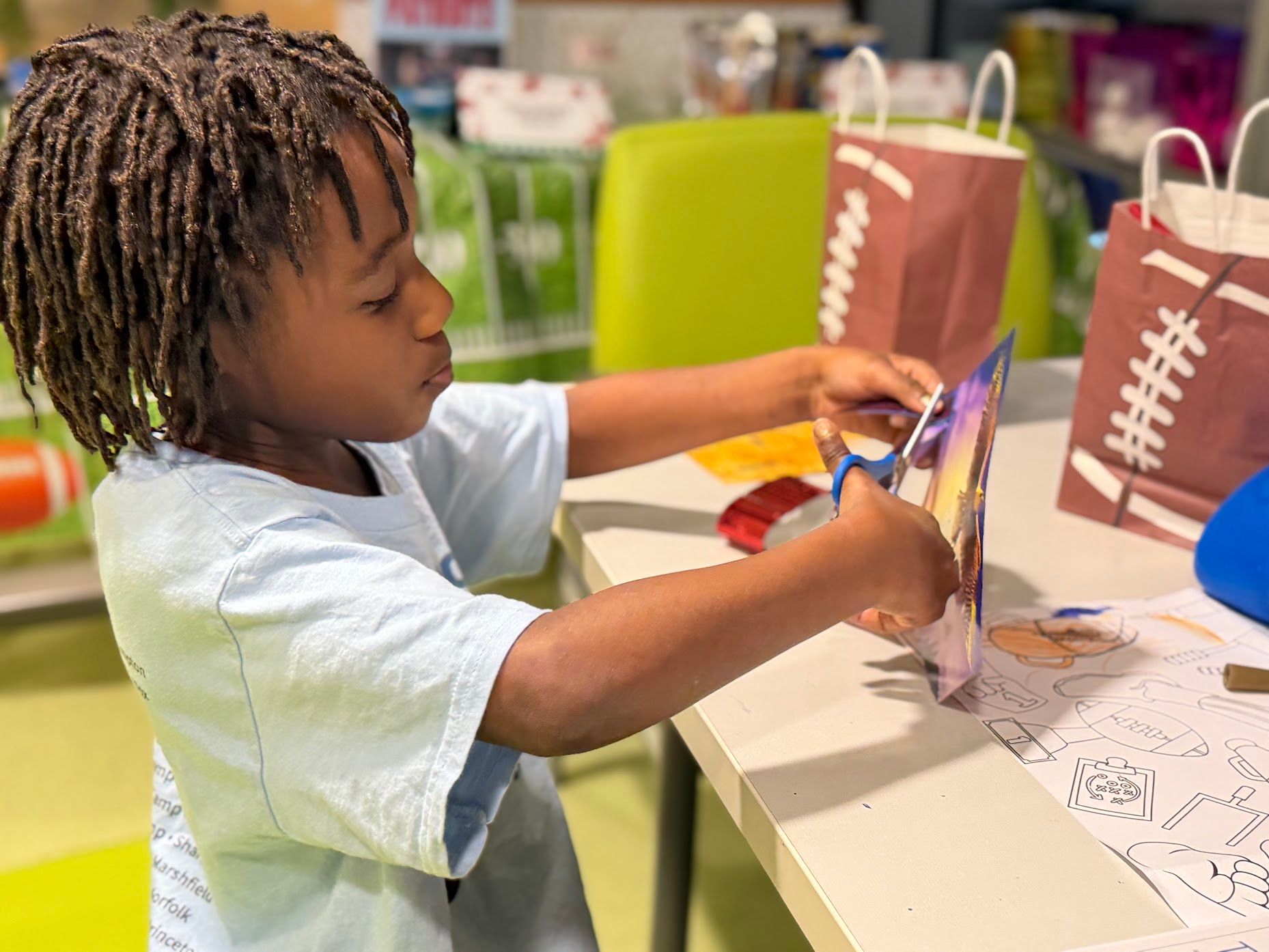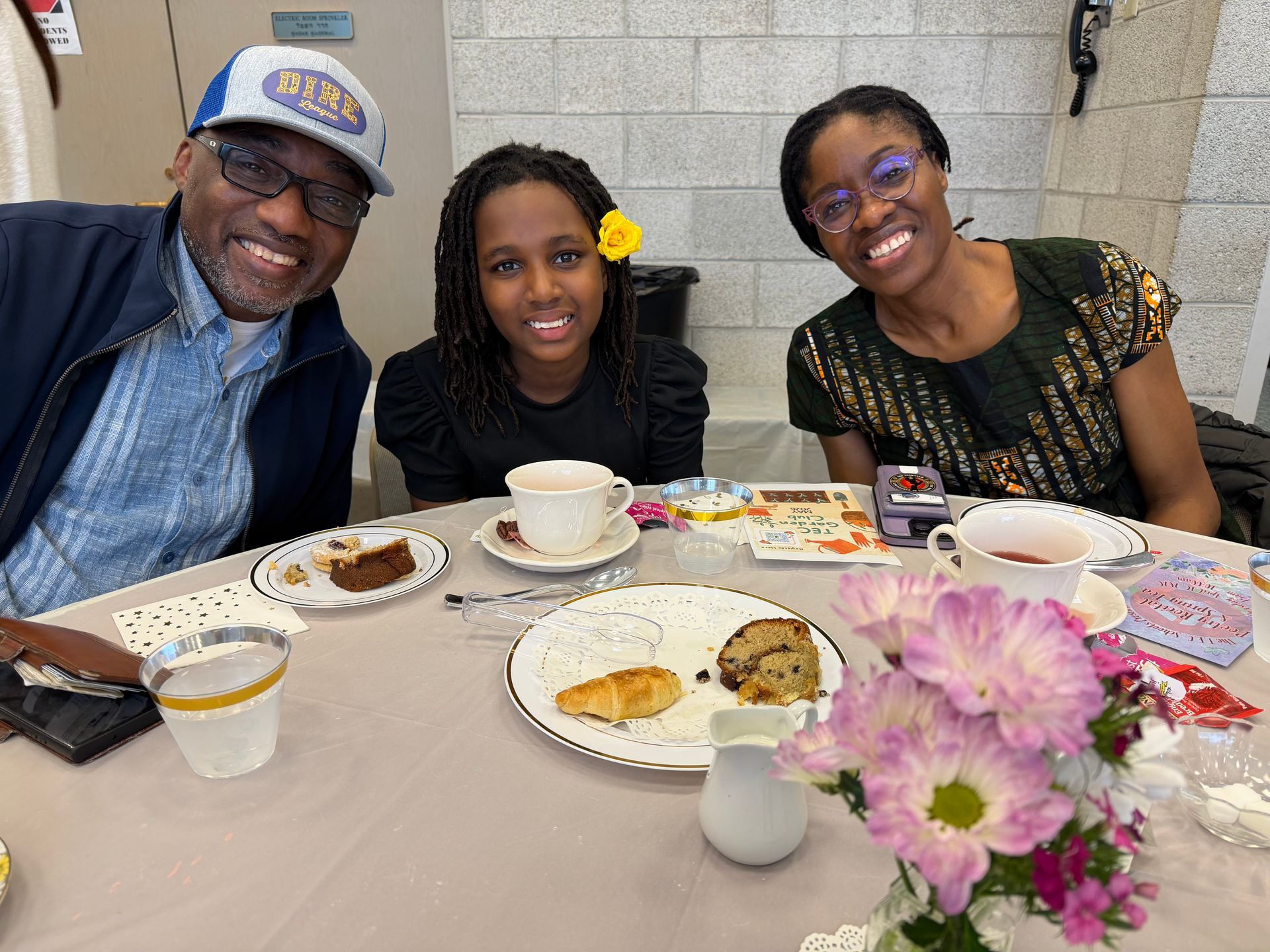
Research has shown time and time again that parent involvement is critical to a child’s success. We all want to take an active role in our child’s education, but sometimes it can be a challenge to discern just where our efforts are best spent. At The T.E.C. Schools, we view education as a collaborative partnership between the home and the school. When families and educators work in harmony, children thrive across all stages of development, from our youngest learners in Children's House to our growing students in Lower Elementary, Upper Elementary, and Middle School.
Below are six critical areas where T.E.C. parents can focus their energy to build a strong bridge between home and school, enriching our community culture and supporting concrete student outcomes.

1. Make Authentic Connections
A strong school community begins with open communication. This connection starts early with your child’s teachers. Let them know who you are, reach out whenever you have questions or concerns, and ask how you can best support the work happening in the classroom.
Connections can also be made with school administrators and specialists. Whether you have a passion for core subject areas like mathematics and science, or you want to learn more about our hands-on approach to literacy, touching base with our team strengthens the circle of support around your child. Introducing yourself to other families during morning drop-off or at the end of the day in our Before & After School Care program helps weave the tight-knit social fabric that defines our school.
2. Share Your Passions and Volunteer
Schools thrive on the diverse talents of their community. Whether you have time to help organize a community event, share a cultural tradition, read to a class, or share professional expertise, we welcome your presence.
At The T.E.C. Schools, volunteering often connects directly to our core pillars: Think, Explore, Create. Do you have a background in science, technology, engineering, or math? You might love helping out as we prepare for our annual STEAMFaire. Do you have a green thumb or a love for the outdoors? Our gardening club and nature field trips are wonderful places to get involved. We completely understand that parents have busy schedules, but contributing in whatever way feels authentic to you makes a lasting impact on our classrooms.
3. Commit to Lifelong Learning
As educators, we consider ourselves lifelong learners. We work hard to cultivate a deep joy of learning in the children we teach so they carry that passion for knowledge throughout their lifetimes. We hope the families we serve feel the exact same way.
The Montessori method offers a unique, beautiful framework for understanding child development. By taking the time to learn about our multi-age classrooms, the purpose behind our specialized materials, and how we foster deep concentration, you gain a clearer window into your child’s daily life.
Learning isn't just about pedagogy, though; it’s about modeling curiosity. When your child sees you reading, pursuing hobbies, or exploring new topics, you set an example of lifelong curiosity that sticks with them forever.
4. Support the Continuum of Learning at Home
Learning does not stop when a child leaves our Worcester campus; it happens everywhere. While the home should always be a place of rest and comfort, it can also naturally support your child's developing mind. This does not mean you need to purchase specialized classroom materials at home. Instead, look for everyday opportunities to foster independence and critical thinking:
- Keep a rich print environment: Fill shelves with books and magazines that spark curiosity about nature, history, and science.
- Explore the kitchen together: Preparing a meal involves practical life skills, hands-on fractions, and chemistry in action.
- Prioritize open-ended materials: Opt for toys and tools that require active thinking rather than passive entertainment—such as blocks, art supplies, science kits, and engineering toys like marble runs.
- Play strategic board games: Games provide excellent opportunities to practice math concepts, logic, and the social dynamics of sportsmanship.
5. Transition from Advocacy to Self-Advocacy
Parents are their children’s first and strongest advocates. When children are young, they rely on you to convey their needs, worries, or triumphs to the adults around them. Open, respectful communication with your child's teacher is essential here, especially since children often display different facets of their personality at home than they do in a collaborative classroom environment.
However, a core outcome of a T.E.C. education is developing independent, confident individuals who can think for themselves. Over time, we want to help children learn to advocate for themselves. We practice this daily through Grace & Courtesy lessons, teaching students how to express their boundaries, ask for help, and navigate social dynamics respectfully.
If an older elementary or middle school student wishes they had more challenging geometry work or wants to explore a new research topic, encourage them to schedule a time to speak directly with their teacher. Supporting them as they find their own voice is one of the greatest gifts we can give them.
6. Show Up for Community Events
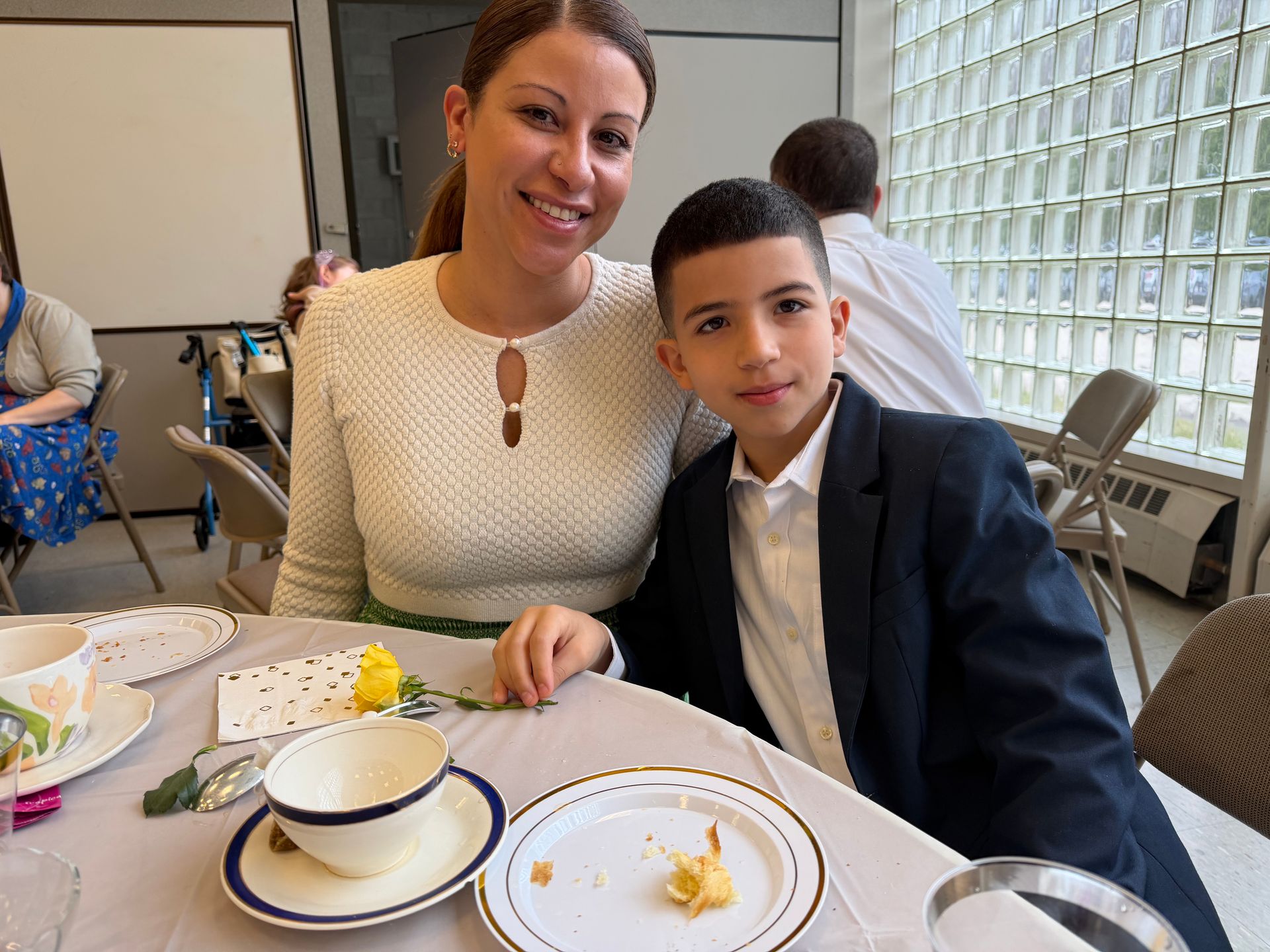
Being an active participant in school life is one of the simplest and most effective ways to show your child that their education matters. Throughout the year, we host events designed for parent education, as well as celebrations meant purely for connection and fun.
Whether it is an evening parent education workshop, a seasonal gathering, or exploring student projects at the STEAMFaire, these moments allow us to celebrate student outcomes together. We know how precious your family time is, and we are incredibly grateful whenever you choose to spend it strengthening our school community. Thank you for everything you do to support your children and The T.E.C. Schools!