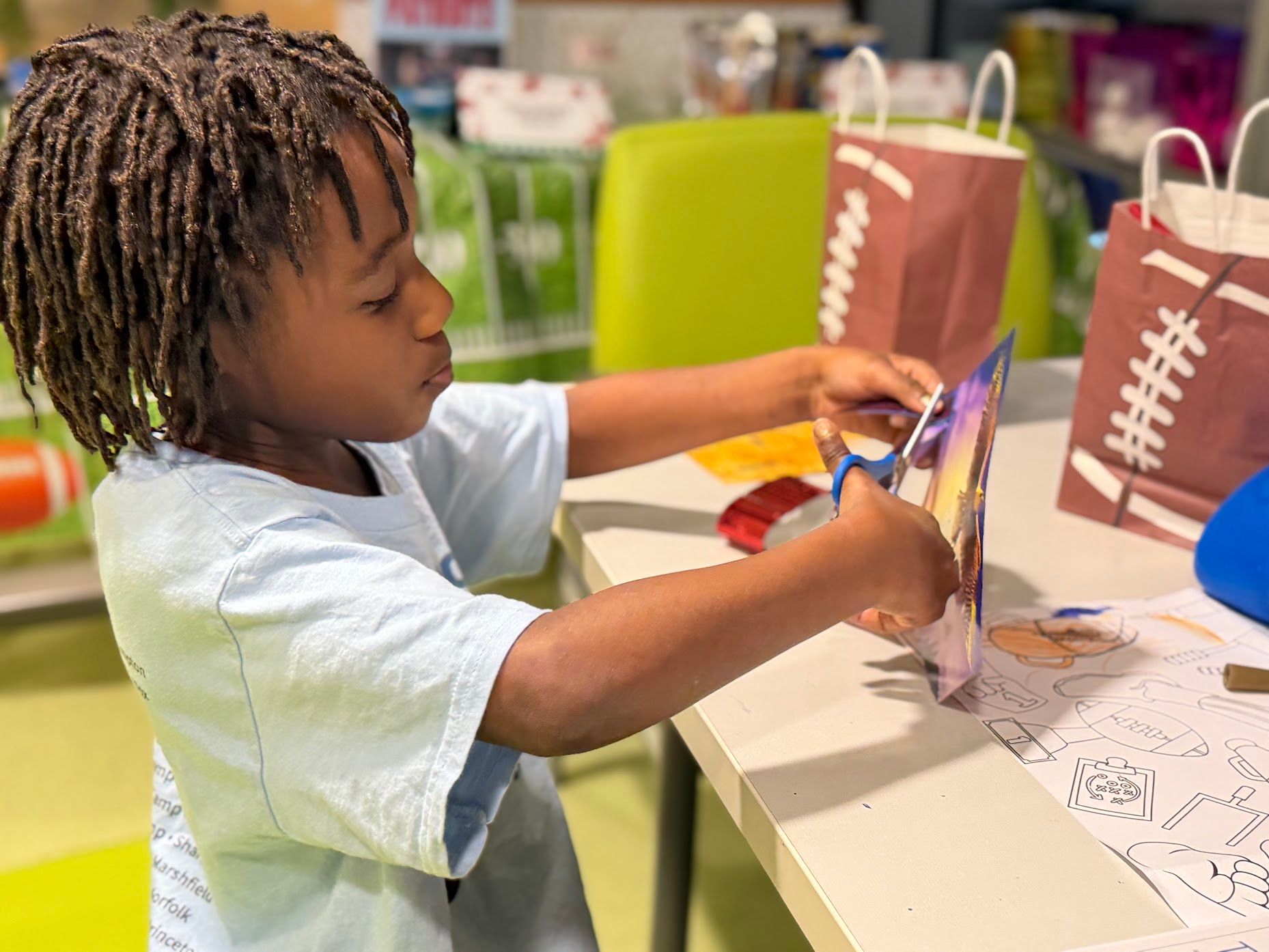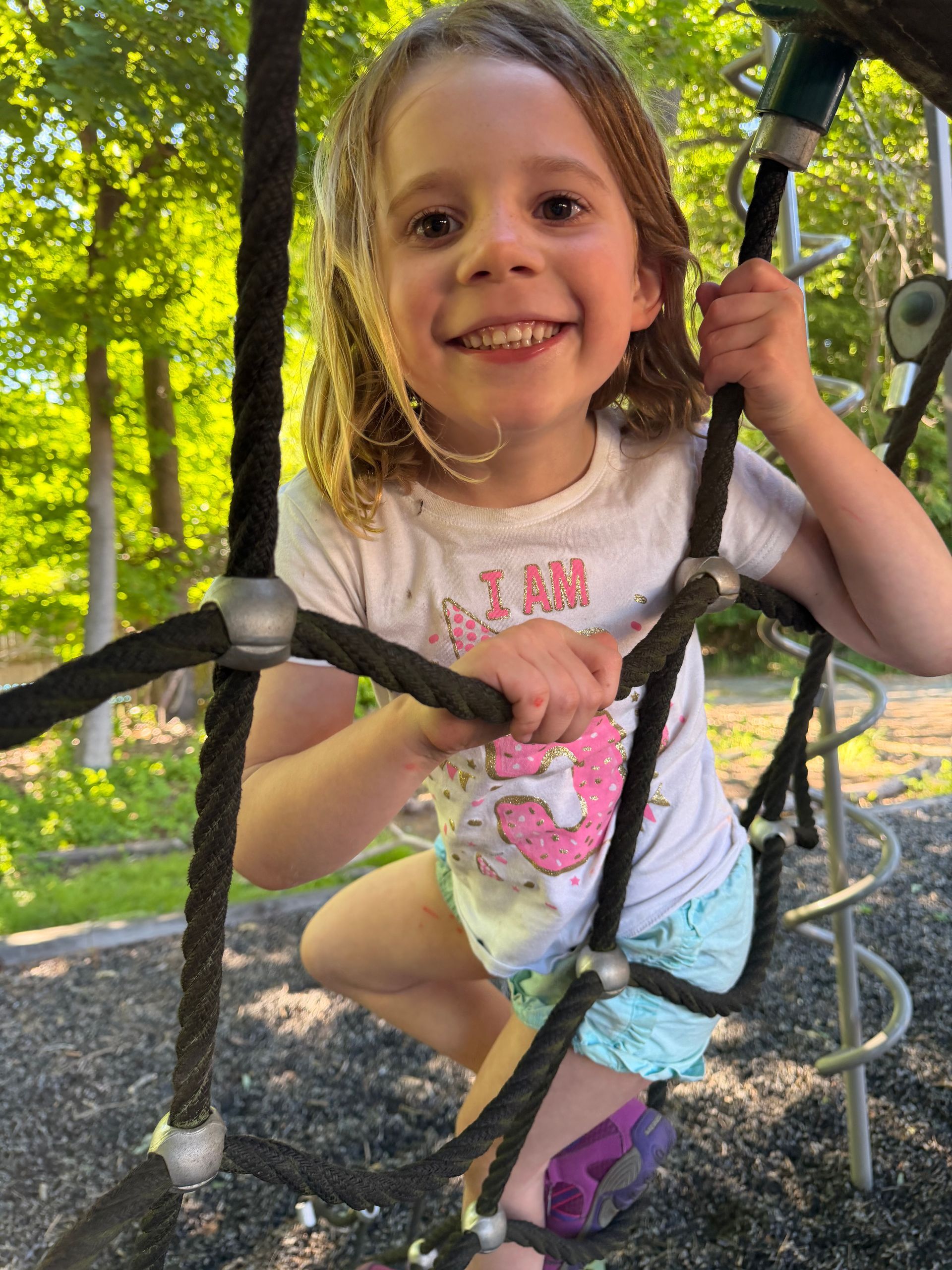
It’s that time of the year again. Over the course of the summer, and even with the best of intentions, some of our daily routines tend to dissolve and give way to relaxation, outdoor exploration, and family adventures. Which is wonderful! Summer is a beautiful time for children to decompress and learn through unstructured experiences.
The school year is creeping closer, however. Now is the perfect time to consider what your family can do to prepare for a smooth transition back to campus.
Whether your child is entering our Children’s House classrooms for the first time, returning to their same community, moving up to Lower Elementary or Upper Elementary, or stepping into the leadership roles of Middle School, a thoughtful transition makes all the difference. Read on for our team’s favorite Montessori-aligned tips to make the start of the school year as grounding and seamless as possible for the whole family.
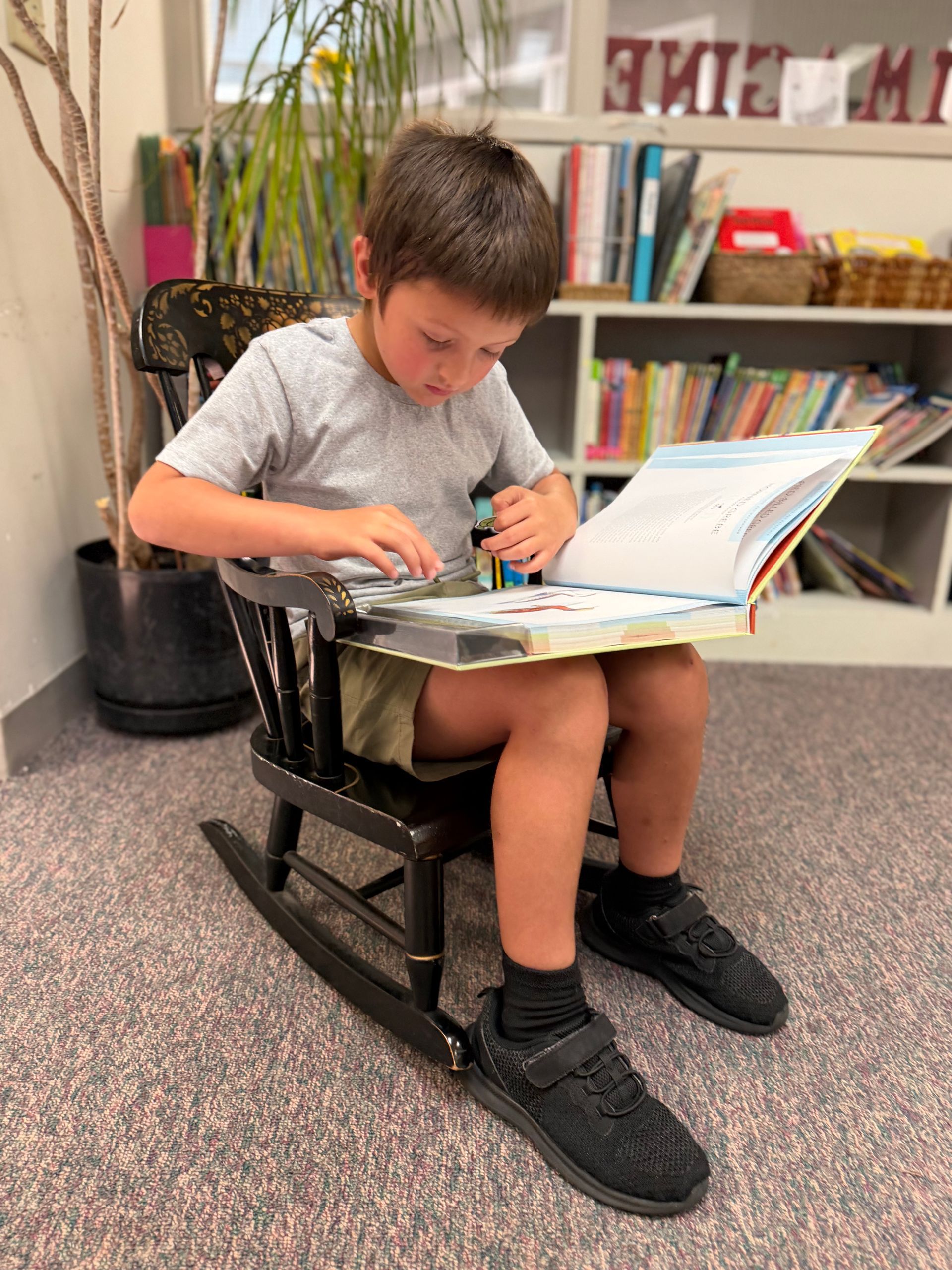
1. Prioritize the Sleep Cycle
Perhaps the most important element to consider, your child’s sleep schedule is critical to their focus, emotional regulation, and success in the classroom. There are three elements to focus on: how much sleep your child needs, when that sleep should take place, and the quality of that rest.
According to the American Academy of Pediatrics (AAP), here is a helpful baseline for how much sleep children need within a 24-hour period (including naps for our youngest learners):
- 1-2 years: 11-14 hours
- 3-5 years: 10-13 hours
- 6-12 years: 9-12 hours
- 13-18 years: 8-10 hours
Once you know the ideal baseline for your child, determine their wake-up time by counting backward, factoring in a relaxed morning routine and the commute to school.
Pro-Tip for the Shift: Is their current summer bedtime nowhere near their school-year target? Take the transition slowly. Shift bedtime and wake-up times 15 minutes earlier every few days until you comfortably reach your goal.
To improve sleep quality, focus on a calm environment. A cool, dark room and a predictable, soothing evening routine help children drift off easily. Keeping the sequence identical each night, whether it includes a warm bath, reading a book together, or practicing a brief mindfulness moment, signals to the brain that it is safe to rest.
2. Re-Establish Predictable Schedules
In a Montessori environment, we emphasize order and predictability because they provide children with a profound sense of psychological safety. When children know what to expect, they are much better equipped to independently navigate their day.
As you prepare for the school year, consider what you want your family's morning rhythm to look like. To guide your planning, ask yourself:
- What time do we need to leave the house to arrive comfortably at school for morning drop-off without feeling rushed?
- What tasks can we shift to the night before (like packing lunches or laying out clothes) to alleviate morning friction?
- The Montessori Approach: What is my child developmentally ready to do independently (e.g., putting on shoes, packing their own backpack), and where will they genuinely need my assistance?
The same concept applies to the evening. Establishing a consistent routine, including dedicated time for family dinners and winding down, prepares your child’s mind and body for a restful night.
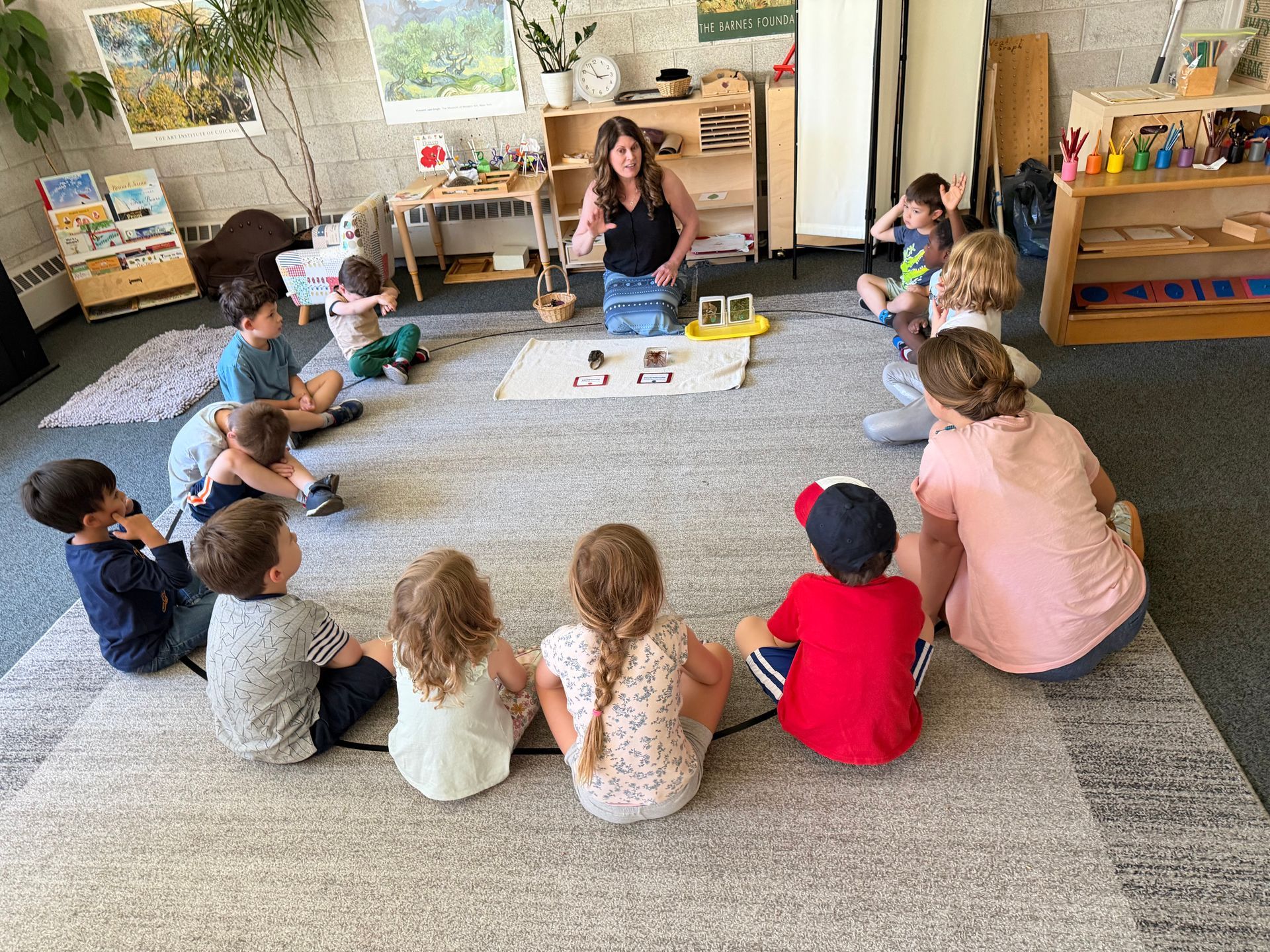
3. Navigating Big Emotions
It is entirely normal for children of all ages to experience a wide spectrum of emotions as the first day of school approaches. They may feel a mix of bubbling excitement, anticipation, or nervousness about meeting new guides and peers or adjusting to a new classroom environment.
When a child feels anxious, our natural parental instinct is often to minimize the concern with phrases like, "Don't worry, you'll be fine!" However, the most supportive thing we can do is practice Grace & Courtesy at home through validation and active listening.
If you notice signs of emotional tension, invite them to share what's on their mind. For younger children in Children's House, help them name their feelings ("It sounds like you are feeling a little nervous about saying goodbye in the morning"). Acknowledge that these feelings are incredibly normal.
Remember: Parents experience big emotions during this transition, too! Whether your child is starting their very first day of school or entering their final year in Middle School, it is poignant to watch them grow. Lean into these moments as a beautiful opportunity to model emotional resilience and open communication for your child.
4. Give Yourself Grace and Adjust Expectations
Even with meticulous planning, the transition back to school rarely happens without a few bumps along the way. Perhaps the first week arrives and bedtime is still a work in progress, or your elementary student is feeling more tired than usual after a full day of deep concentration and community living.
Expect a brief period of adjustment. The first couple of weeks of a new school year are a time for building relationships, establishing new classroom communities, and adapting to new routines.
At The T.E.C. Schools, we view education as a collaborative partnership between the home and the school. Our faculty and staff are here to support your entire family through this transition. We cannot wait to welcome our returning families back, greet our new faces, and embark on another incredible year of thinking, exploring, and creating together!