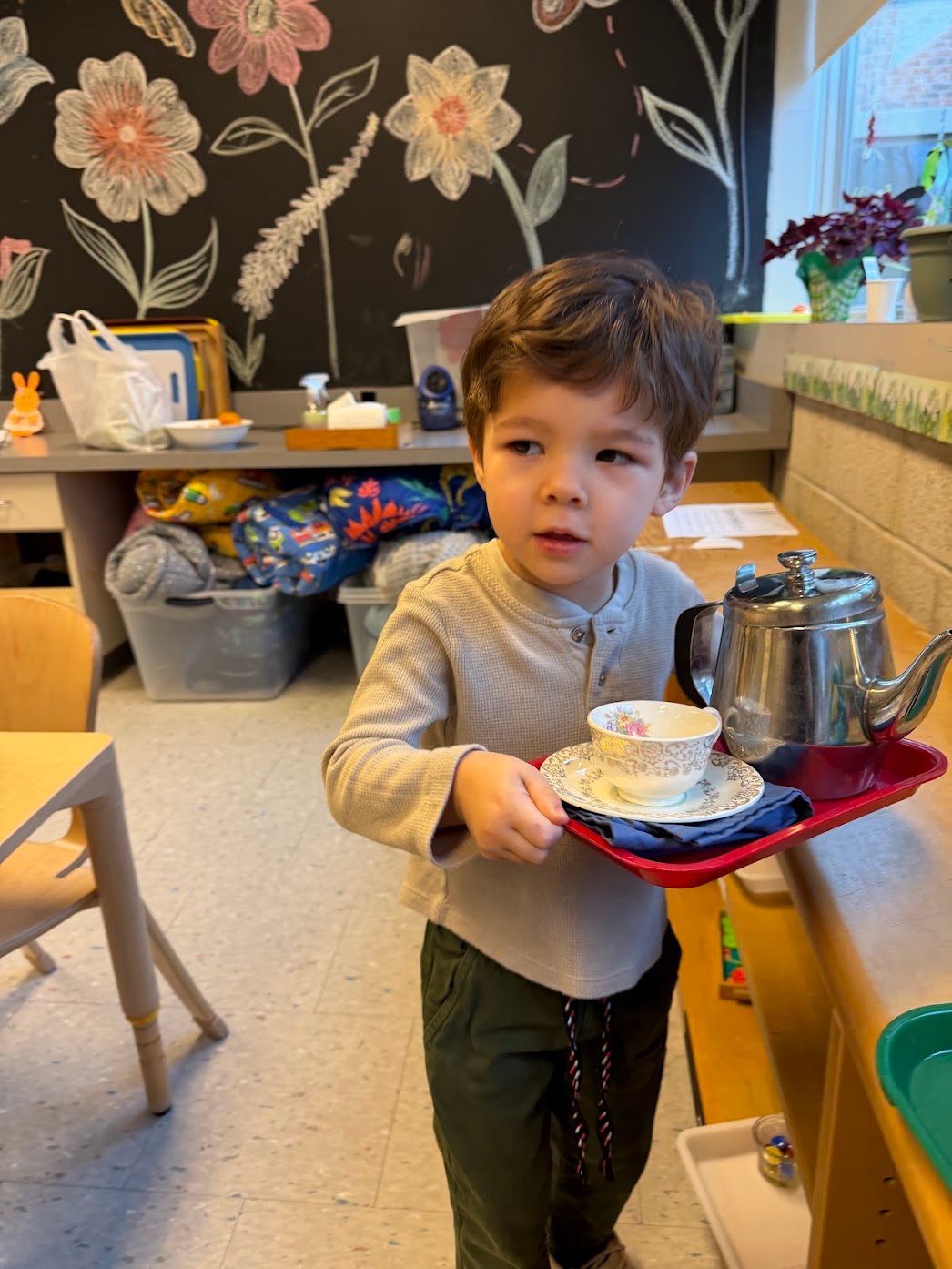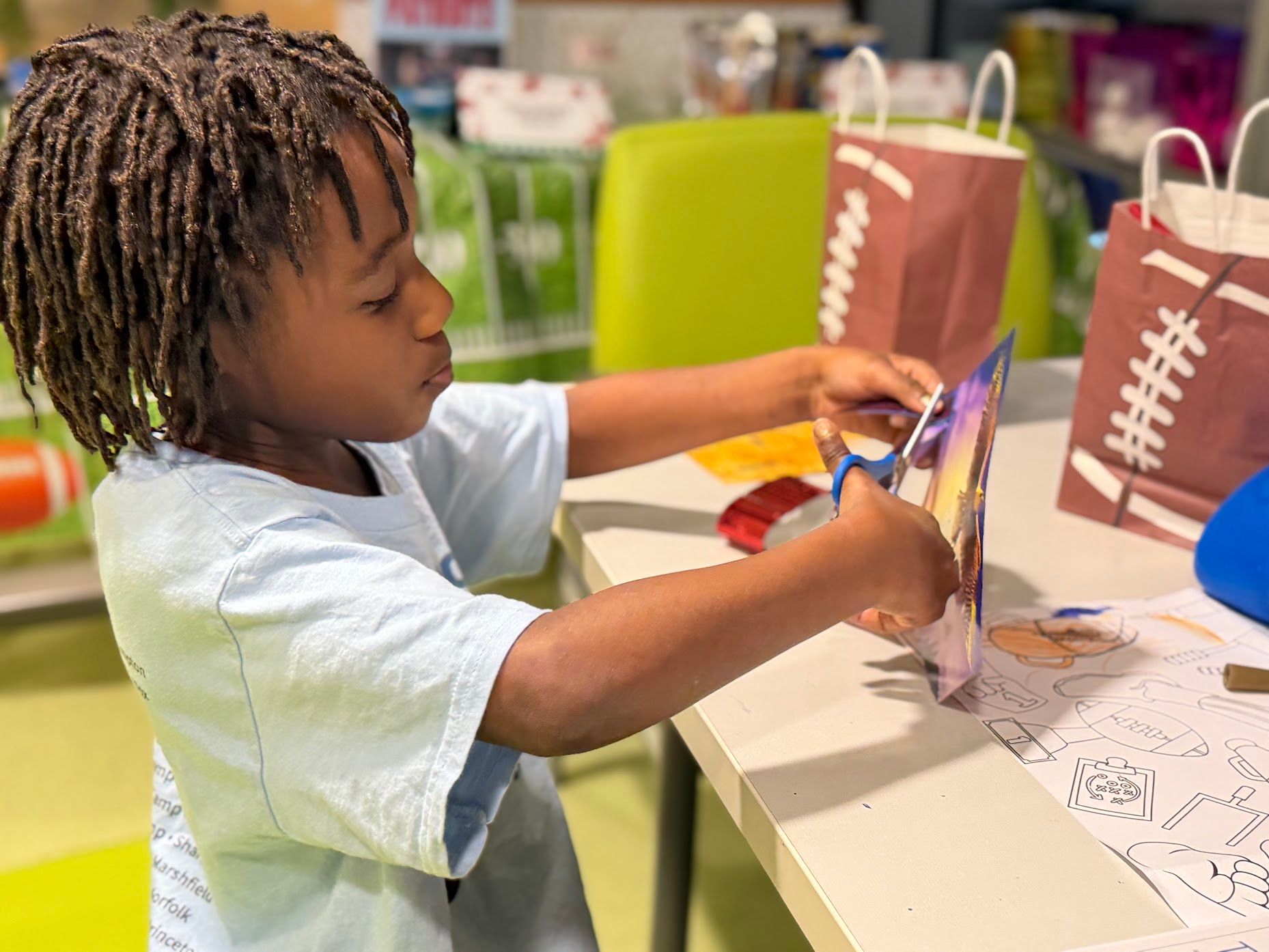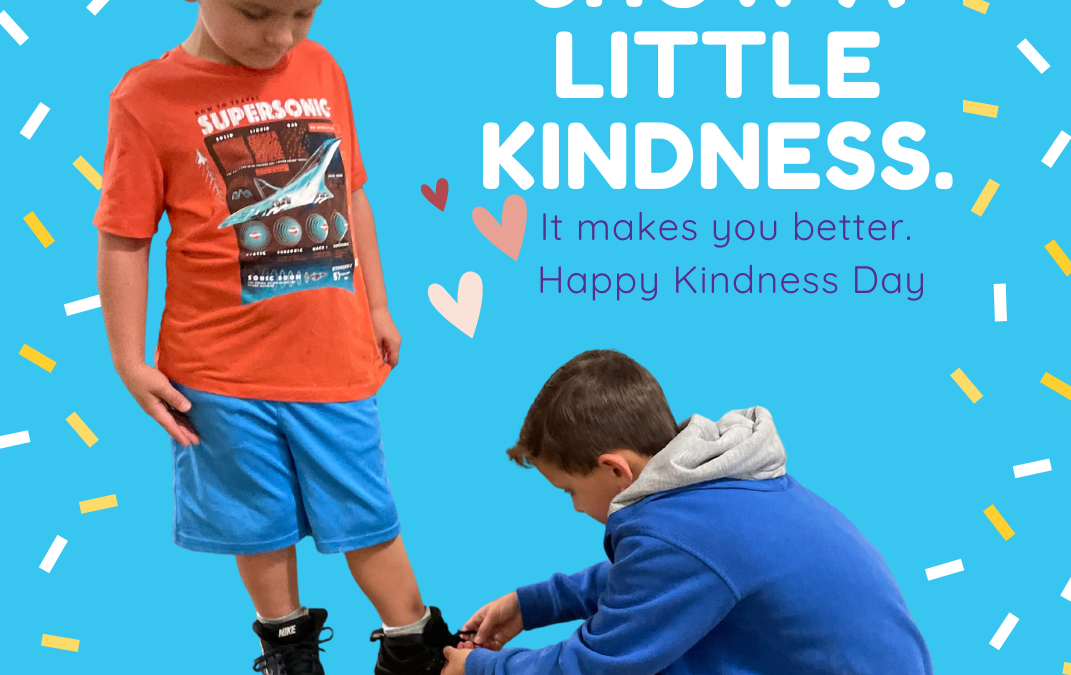
“Here, let me tie your shoelaces,” says an older student to help a kindergartner. Such random acts of kindness are quite common in our Montessori school in Worcester. Whether a student is learning to zip their jacket, read a book, or perform on stage, there is always a friend looking out for them. When children learn to help each other, kindness becomes second nature to them.
In her book, Discovery of the Child, Dr. Montessori wrote, “Children have an anxious concern for living beings, and the satisfaction of this instinct fills them with delight. It is therefore easy to interest them in taking care of plants and especially of animals.” Students at The T.E.C. Schools care for each other. They take care of the plants and animals at school.This empathy fosters strong friendships and helps them work collaboratively with each other. They understand the feelings and needs of their friends. Our students become moral individuals by engaging in acts of kindness.
Often we witness random acts of kindness in the hallways of our school. Montessori students genuinely love to help their peers. The multi-age Montessori classroom allows the older students to understand the needs of younger friends. The younger students develop trust when they know they can depend on the elders in the classroom. With each act of kindness our school’s culture gets stronger. Trust and friendships translate to healthy group dynamics and a great school community. Being kind is a way of life at The T.E.C. Schools. THINK. EXPLORE. CREATE.